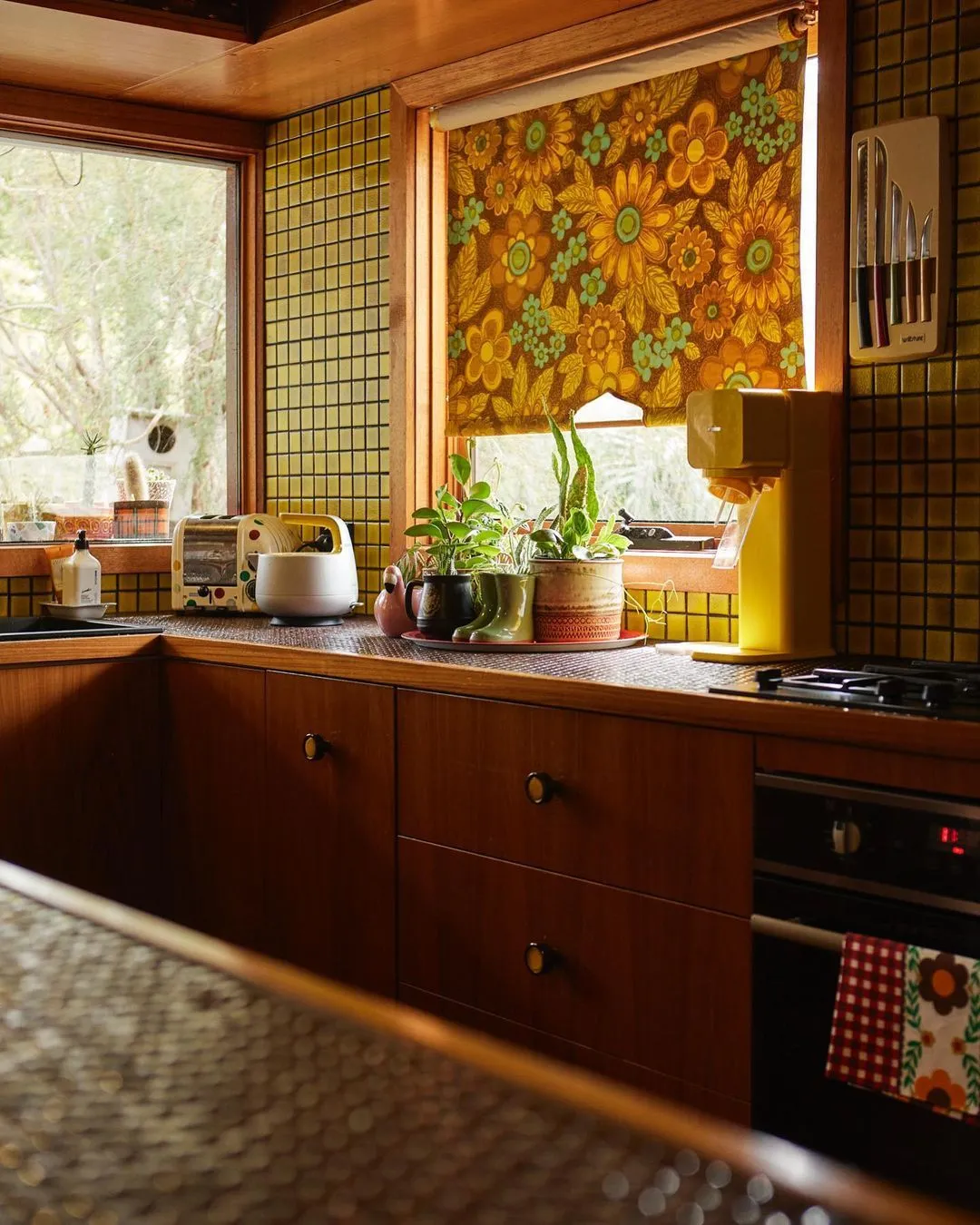
Embracing the 70s Kitchen Decor Trend
The 1970s kitchen decor is making a triumphant return, captivating homeowners and designers alike with its bold colors, distinctive patterns, and a sense of nostalgic charm. It’s a celebration of a time when kitchens were not just functional spaces, but vibrant hubs of the home, reflecting the era’s optimistic and experimental spirit. The resurgence of this style provides an opportunity to infuse your kitchen with character, personality, and a unique retro flair. This isn’t just about decorating; it’s about time traveling back to an era of groovy aesthetics and embracing the fun and flamboyance that defined the 70s. With a blend of vintage finds, carefully chosen colors, and a touch of creativity, you can transform your kitchen into a stunning homage to this iconic decade.
Vibrant Colors of the 70s in Your Kitchen
Color palettes were a cornerstone of 70s kitchen design, infusing spaces with energy and personality. The era was unafraid of bold choices, embracing a spectrum that moved away from the more subdued tones of previous decades. To truly capture the spirit of the 70s, think beyond the ordinary and consider incorporating the key colors that defined the era. These aren’t just colors; they’re statements, each one a nod to the decade’s unique aesthetic. The strategic use of these hues can instantly transport your kitchen back in time, creating a space that’s both visually exciting and authentically retro, offering a delightful escape from the commonplace.
Avocado Green and Harvest Gold

No discussion of 70s kitchen colors is complete without mentioning avocado green and harvest gold, the undisputed stars of the show. These two hues were practically ubiquitous, gracing everything from appliances and countertops to cabinetry and wallpaper. Avocado green, a deep, earthy shade, brought a sense of nature indoors, while harvest gold, a warm, inviting yellow, added a touch of sunshine. To integrate these colors, consider painting your cabinets in harvest gold and complementing them with avocado green accents, or vice versa. Another idea is to select appliances in either color, making them the focal point of your kitchen. The combination of these two colors creates a classic 70s look that is both stylish and inviting, providing a nostalgic yet timeless feel.
Burnt Orange and Earthy Tones
Beyond avocado green and harvest gold, burnt orange and other earthy tones played a significant role in 70s kitchen decor. Burnt orange, with its rich, warm hue, was often used in accent pieces and accessories, adding a pop of vibrant color. Earthy browns, creams, and tans provided a grounding effect, balancing the bolder shades. To introduce these colors, think about incorporating burnt orange accessories like dish towels, pot holders, or even small appliances. Cream-colored walls can create a neutral backdrop, allowing your chosen accents to truly shine. Natural wood elements, such as countertops or open shelving, also helped to complete the earthy, organic feel that was so characteristic of the 70s kitchen. These color choices not only evoke the era’s style but also create a warm, welcoming space.
Retro Kitchen Appliances
Appliances were not just functional tools in the 70s kitchen; they were statement pieces, often boasting the vibrant colors of the era. The bold hues of avocado green, harvest gold, and even shades of orange and brown transformed everyday kitchen essentials into design elements. These appliances were designed to be seen, to complement and complete the overall aesthetic of the space, rather than blending into the background. Integrating these retro appliances into your kitchen can instantly transport you back in time, creating a visually captivating and functionally efficient space. It’s an easy way to add a touch of authenticity and a dash of fun to your kitchen decor.
Iconic Appliance Styles

Several appliance styles defined the 70s kitchen. Freestanding ranges with bold colors were a staple. Refrigerators, often in avocado green or harvest gold, were prominent features. Dishwashers and microwaves, still relatively new innovations at the time, embraced the same color schemes. Many appliances featured sleek, minimalist designs that mirrored the decade’s evolving aesthetic. To incorporate these styles, consider searching for vintage appliances at antique stores, online marketplaces, or specialized retro appliance dealers. If you’re unable to find original pieces, many modern manufacturers offer retro-style appliances that capture the essence of the 70s, allowing you to enjoy the charm of the era with the modern convenience.
Where to Find Vintage Appliances
Locating vintage appliances can be an exciting treasure hunt. Start your search at local antique stores and flea markets, where you might stumble upon hidden gems. Online marketplaces like eBay and Craigslist often feature listings for retro appliances, offering a wide range of options. Specialized appliance dealers that focus on vintage and retro styles can provide expert advice and access to restored or refurbished appliances. When buying vintage appliances, always check for functionality and safety. Look for appliances that have been professionally inspected and restored, or be prepared to have them serviced to ensure they meet modern safety standards. Investing in vintage appliances not only adds a unique touch to your kitchen but also celebrates the style and innovation of the 70s.
Bold Patterns and Textures
The 70s were a time of experimentation and expression, and this was reflected in the bold patterns and textures that adorned kitchen spaces. From geometric designs to floral motifs and textured surfaces, these elements added depth, visual interest, and a sense of individuality to the kitchen. These patterns and textures weren’t just decorative; they were essential in defining the era’s aesthetic, making each kitchen a unique reflection of the homeowner’s personality and style. Integrating these elements is a sure way to give your kitchen a distinct retro vibe, turning your space into a celebration of 70s design.
Geometric and Floral Patterns

Geometric and floral patterns were widely used in 70s kitchens, adding a vibrant and dynamic feel. Geometric patterns, often featuring bold shapes and contrasting colors, were popular on wallpaper, backsplashes, and even dishware. Floral motifs, from large, stylized blooms to delicate, repeating patterns, brought a touch of nature indoors. To integrate these patterns, consider adding a geometric wallpaper to an accent wall or using a floral backsplash. Dish towels, curtains, or even decorative accessories can incorporate these patterns. When using bold patterns, balance them with neutral elements to prevent the space from feeling overwhelming. This blend of boldness and balance is what makes the 70s style so exciting and visually appealing.
Textured Countertops and Backsplashes
Textured surfaces were another key element of 70s kitchen decor, adding depth and dimension. Textured countertops, often made from laminate or tile, provided a tactile experience, while textured backsplashes created a focal point. Consider incorporating a textured backsplash, such as a mosaic tile, or a countertop with a unique surface. Laminate countertops in bold colors or patterns were also a staple. Combining these textured elements with smooth surfaces can create a balanced and visually appealing design. Textured surfaces aren’t just about aesthetics; they contribute to the overall sensory experience of the kitchen, making it a more inviting and enjoyable space.
The Rise of the Kitchen Island in the 70s
The kitchen island, a now-ubiquitous feature, gained popularity in the 70s, marking a shift towards more functional and social kitchen spaces. Islands provided additional countertop space, storage, and a central gathering place for family and friends. The introduction of the kitchen island was more than just a design change; it was a cultural shift, transforming the kitchen from a solely utilitarian space into a dynamic, multi-functional hub. This trend highlighted a move towards open-concept living and a desire to connect with others while preparing meals. The modern kitchen, as we know it, was starting to take shape.
Kitchen Islands Design

Kitchen islands in the 70s often featured the same colors and patterns as the rest of the kitchen, seamlessly integrating them into the overall design. They could be adorned with the era’s bold colors like avocado green or harvest gold. Laminate countertops, which were prevalent at the time, were frequently used, along with unique patterns. Some islands incorporated breakfast bars, adding a casual dining area. The incorporation of a kitchen island in your 70s-inspired kitchen can be a great way to add extra functionality and design appeal. This will create a central focal point, allowing you to showcase the era’s iconic design elements.
Incorporating Natural Elements
Despite the era’s penchant for bold colors and patterns, the 70s also embraced natural elements, creating a balance between the vibrant and the organic. Wood, rattan, and indoor plants brought a sense of warmth, texture, and a connection to nature. This blend of artificial and natural elements gave kitchens a welcoming, inviting feel, grounding the more dramatic design choices. Introducing these natural components can soften the boldness of the other elements, creating a well-rounded and balanced aesthetic that feels both retro and timeless.
Wood and Rattan
Wood and rattan were frequently used in 70s kitchens, adding texture and warmth. Wooden cabinets and open shelving created a natural foundation, while rattan accents, such as bar stools or light fixtures, added a touch of casual elegance. The use of wood and rattan was also a response to the era’s growing environmental awareness, as they are sustainable materials. To incorporate these elements, consider using wood cabinets or open shelving. Rattan bar stools or light fixtures can add a touch of retro chic. The combination of these materials creates a kitchen that feels both stylish and grounded, reflecting the era’s unique blend of modern and natural design.
Indoor Plants

Indoor plants were a staple in 70s kitchens, bringing life and freshness to the space. Potted plants on countertops, hanging baskets, and plant-filled shelves added a touch of nature and complemented the era’s earth-toned color palettes. Plants were not just decorative; they were a symbol of the era’s focus on wellness and environmentalism. To include indoor plants, consider adding a variety of greenery, such as ferns, snake plants, and spider plants. Place them on countertops, shelves, or hang them in baskets. The addition of indoor plants transforms the kitchen into a more inviting and refreshing space, bringing a touch of the outdoors inside.
70s Kitchen Decor on a Budget
Achieving a 70s kitchen look doesn’t have to break the bank. There are numerous budget-friendly ways to infuse your kitchen with retro charm. The key is to focus on key elements and prioritize affordability. By creatively sourcing materials, repurposing items, and making smart choices, you can create a stunning 70s-inspired kitchen that is both stylish and economical. This way, you can enjoy the retro charm without overspending, allowing you to personalize your kitchen with the iconic style of the 70s.
Start with paint. A fresh coat of avocado green or harvest gold can transform your kitchen instantly. Visit thrift stores and flea markets for vintage accessories, dishware, and artwork. These items add authentic touches without the high price tag. Repurpose old furniture. An old table can be transformed into a kitchen island or a breakfast nook. Finally, consider DIY projects. You can create your own geometric patterns or add a retro-inspired backsplash with affordable materials. By focusing on these budget-friendly strategies, you can bring the vibrancy of the 70s into your kitchen, crafting a space that’s both stylish and affordable.