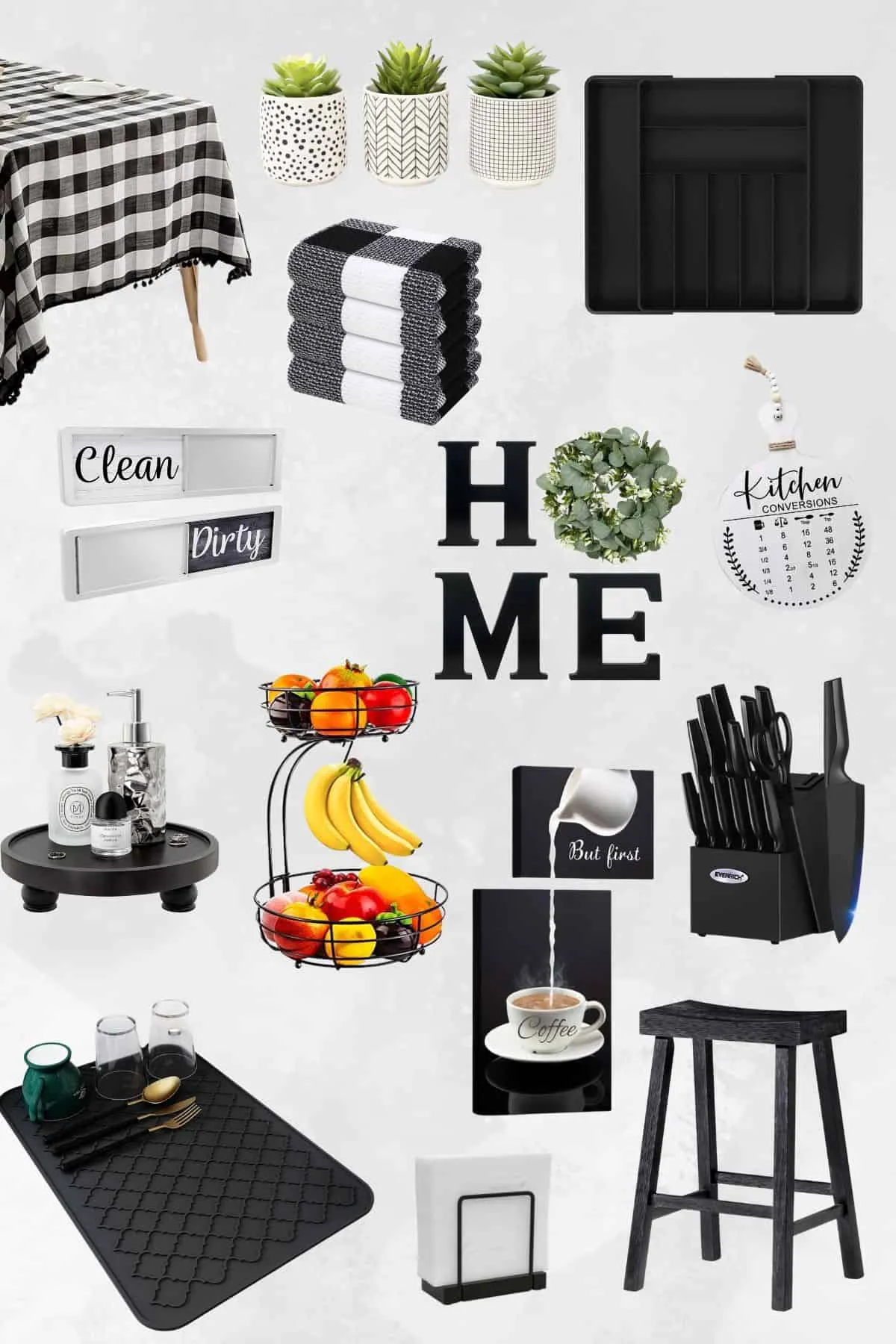
Designing the Perfect Black and White Kitchen
Black and white kitchen decor has an enduring appeal, offering a timeless aesthetic that can adapt to various design styles. This classic combination provides a clean, sophisticated look while offering endless possibilities for personalization. The key to a successful black and white kitchen lies in understanding how to balance the two colors, incorporate texture and pattern, and choose the right accessories to create a space that is both visually appealing and functional. Whether you are drawn to the minimalist elegance of a modern kitchen or the warmth of a traditional space, the principles of black and white design can be tailored to suit your unique taste. This guide will help you navigate the design process, from selecting your color palette to choosing the perfect finishing touches, ensuring your kitchen is a stylish and inviting space.
Choosing Your Color Palette
The foundation of any black and white kitchen is, of course, the color scheme. While the core is simple, the nuances can significantly impact the overall feel. Consider the type of white you want to use; a bright, crisp white will create a more modern feel, while softer whites like cream or off-white can add warmth and a touch of vintage charm. Similarly, black can range from a deep, matte black to a glossy, reflective finish. Consider how natural light interacts with your chosen colors; a kitchen with ample light can handle darker shades, while a smaller space might benefit from lighter hues to maximize brightness. Experiment with different shades and finishes to find the perfect balance that complements your kitchen’s architecture and your personal style. You can also introduce shades of gray to soften the contrast and add dimension, or incorporate other neutral colors for a layered effect.
Classic Black and White Combinations

The most straightforward approach is to divide your space using black and white elements such as cabinets, countertops, and backsplash. A classic scheme might feature white cabinets, black countertops, and a white backsplash, or vice versa. This approach provides a clean, organized look that is easy to achieve. A checkerboard pattern on the floor is another timeless choice, instantly adding visual interest. These combinations are versatile and timeless, providing a perfect backdrop for various kitchen styles. They also provide a neutral base that allows for easy changes when you want to introduce new accents or colors. Remember, the key to a successful classic black and white kitchen lies in the proportions of each color and in the thoughtful placement of contrasting elements.
Modern Takes on Black and White Kitchens
Modern interpretations of black and white kitchens often embrace minimalist design principles, with clean lines, sleek surfaces, and a focus on functionality. This style frequently uses high-gloss finishes for cabinets and countertops, creating a reflective surface that amplifies light. Consider using black or white appliances, or even integrating integrated appliances for a seamless look. Geometric patterns and bold contrasts are common, with elements like black cabinets paired with a stark white island or vice versa. The focus is on creating a visually striking space that feels both contemporary and practical. Add metallic accents like stainless steel or brushed gold for a touch of luxury. These kitchens tend to be less cluttered, emphasizing open space and carefully chosen details to achieve a modern aesthetic.
Incorporating Black and White Kitchen Elements
Deciding where to apply black and white in your kitchen design is crucial. The choices you make for your cabinets, countertops, backsplash, and flooring will significantly impact the overall look and feel of the space. Consider the size and shape of your kitchen, as well as the amount of natural light, to help you make informed decisions. A small kitchen might benefit from a predominantly white design to maximize the feeling of spaciousness, while a larger kitchen can handle more black without feeling cramped. The right combination of these elements will bring your vision to life and create a kitchen that is both aesthetically pleasing and highly functional.
Black and White Kitchen Cabinets

Cabinets are often the most prominent feature in a kitchen, and their color sets the tone for the entire space. White cabinets provide a clean, bright look that can make a kitchen feel larger and more inviting. Black cabinets, on the other hand, offer a sense of drama and sophistication. Consider pairing white cabinets with black countertops or vice versa. The style of your cabinets also matters; sleek, modern cabinets with flat panel doors create a contemporary feel, while shaker-style cabinets offer a timeless, classic look. Think about the finishes too; gloss finishes reflect light and create a sense of openness, while matte finishes offer a more subdued and elegant aesthetic. You can even mix and match colors, using white cabinets on the perimeter and black cabinets on the island, to create visual interest and define different zones within the kitchen.
Black and White Kitchen Countertops
Countertops play a vital role in both the aesthetics and functionality of your kitchen. Black countertops can create a striking contrast against white cabinets, adding a touch of elegance and sophistication. Popular materials include granite, quartz, and solid surface materials, each offering various benefits regarding durability, maintenance, and cost. White countertops can brighten a kitchen with dark cabinets, providing a clean and open feel. Consider marble or quartz countertops with subtle veining for added visual interest. The choice of countertop material should also consider your lifestyle; durable and low-maintenance options are ideal for busy kitchens, while those who cook less might prefer more delicate materials. Ensure that your chosen countertops complement your cabinet style and overall kitchen design, providing a balance of practicality and beauty.
Black and White Kitchen Backsplash
The backsplash is an excellent opportunity to add personality and visual interest to your black and white kitchen. Classic choices include subway tiles in either black or white, or a combination of both. Consider a patterned tile or mosaic for a more unique look; geometric patterns, such as herringbone or chevron, can create a modern and dynamic effect. Black and white marble or granite backsplashes can introduce natural textures and add a touch of luxury. The backsplash material should be easy to clean and maintain, especially in the area behind your cooktop and sink. Make sure it complements your countertops and cabinets, creating a cohesive design. Backsplashes also provide an opportunity to introduce texture, such as textured tiles or 3D panels, adding depth and dimension to your kitchen space.
Black and White Kitchen Flooring

Flooring can set the tone for your entire kitchen. Black and white checkered floors offer a classic and timeless appeal. Other options include black or white tiles, or even a combination of both, creating geometric patterns. Consider materials like porcelain or ceramic tile for durability and easy maintenance. Luxury vinyl tile (LVT) is another popular choice, offering the look of real stone or tile at a more affordable price. The flooring should complement the rest of your kitchen design and provide a comfortable and practical surface. Dark floors can anchor the space and create a sense of sophistication, while lighter floors can make the kitchen feel brighter and more spacious. Your flooring choice is also influenced by your lifestyle and foot traffic, so choose materials that align with your daily needs.
Adding Texture and Pattern
While black and white is a classic color scheme, incorporating texture and pattern is essential to prevent the space from feeling flat or sterile. Texture can be introduced through various materials such as wood, brick, or stone. Consider a wooden island or open shelves to add warmth and visual interest. Patterned tiles for the backsplash or floor can create a focal point and add personality. Use textiles such as woven rugs or patterned window treatments to soften the space and add coziness. Consider the mix of different textures; for example, smooth countertops paired with textured cabinets. The careful combination of texture and pattern prevents the space from feeling bland and brings depth to your kitchen design, creating a visually rich environment.
Using Accessories for Impact
Accessories are a fantastic way to add personality and style to your black and white kitchen. Choose hardware like cabinet pulls and knobs to complement your design style; brass or gold hardware adds a touch of luxury, while stainless steel or black hardware offers a more modern feel. Add pops of color with small appliances, decorative items, or artwork. Consider introducing greenery, such as potted herbs or plants, to bring life and freshness to the space. Use textiles like dish towels, oven mitts, and chair cushions to add color and pattern. The accessories allow for easy updates and seasonal changes without undertaking a complete remodel. By carefully selecting your accessories, you can create a kitchen that truly reflects your personal style and makes a statement.
Lighting and Hardware Selection

Lighting plays a vital role in defining the atmosphere of your kitchen. Choose a combination of ambient, task, and accent lighting to create a functional and inviting space. Pendant lights above the island add style and provide task lighting, while under-cabinet lighting illuminates countertops. Consider adding a dimmer switch for further lighting control, as well as recessed lighting. Hardware can be used to enhance the visual impact, with bold choices creating a unique look. Ensure that your hardware complements your overall design style. If you want a luxurious feel, brass or gold hardware would work, while black and stainless steel hardware would fit a more modern design.
Achieving the Right Balance
The key to a successful black and white kitchen lies in achieving the right balance between the two colors. Avoid using too much of one color, as it can make the space feel overwhelming. In a small kitchen, a predominantly white design with black accents can make the space feel brighter and more spacious. In a larger kitchen, you can experiment with a more balanced approach, using black cabinets and white countertops, or vice versa. Consider the amount of natural light and the overall size of the kitchen to inform your decision. The right balance of the two colors ensures a visually pleasing and harmonious space that reflects your personal style.
Avoiding Common Mistakes
Several mistakes can undermine the look of a black and white kitchen. One common mistake is using too much black, which can make the space feel dark and cramped. Avoid using low-quality materials. Not considering the amount of natural and artificial lighting can also lead to a poorly lit space. Ensure you have good lighting in all areas. Failing to incorporate texture and pattern can make the space feel flat and uninspired. The lack of personalization can result in a generic and uninviting kitchen. By avoiding these common mistakes, you can ensure that your kitchen is both beautiful and functional.
Maintaining a Black and White Kitchen

Cleaning and maintaining a black and white kitchen is essential for keeping it looking its best. White surfaces can show dirt and grime more easily than other colors, so regular cleaning is crucial. Use appropriate cleaning products and methods for each surface, as some cleaners can damage certain materials. Wipe down countertops and cabinets regularly to prevent build-up. Address spills immediately to avoid stains. Consider using a soft cloth to prevent scratching. By practicing good cleaning habits, you can maintain the beauty of your black and white kitchen for years to come. Regular upkeep is crucial to preserve the elegance of your design.
Cleaning and Care Tips
Regular cleaning is essential. For white surfaces, use a gentle cleaner and a soft cloth to remove dirt and grime. Avoid abrasive cleaners that can scratch surfaces. Clean spills immediately to prevent stains. Clean and wipe down surfaces, including countertops, cabinets, and backsplashes, to prevent build-up. If you have a black countertop, be careful to clean up spills immediately to avoid stains. Be aware of the specific care needs of each surface type. Following these care tips will keep your kitchen looking its best. Regular upkeep will help to maintain the beauty and longevity of your black and white kitchen.