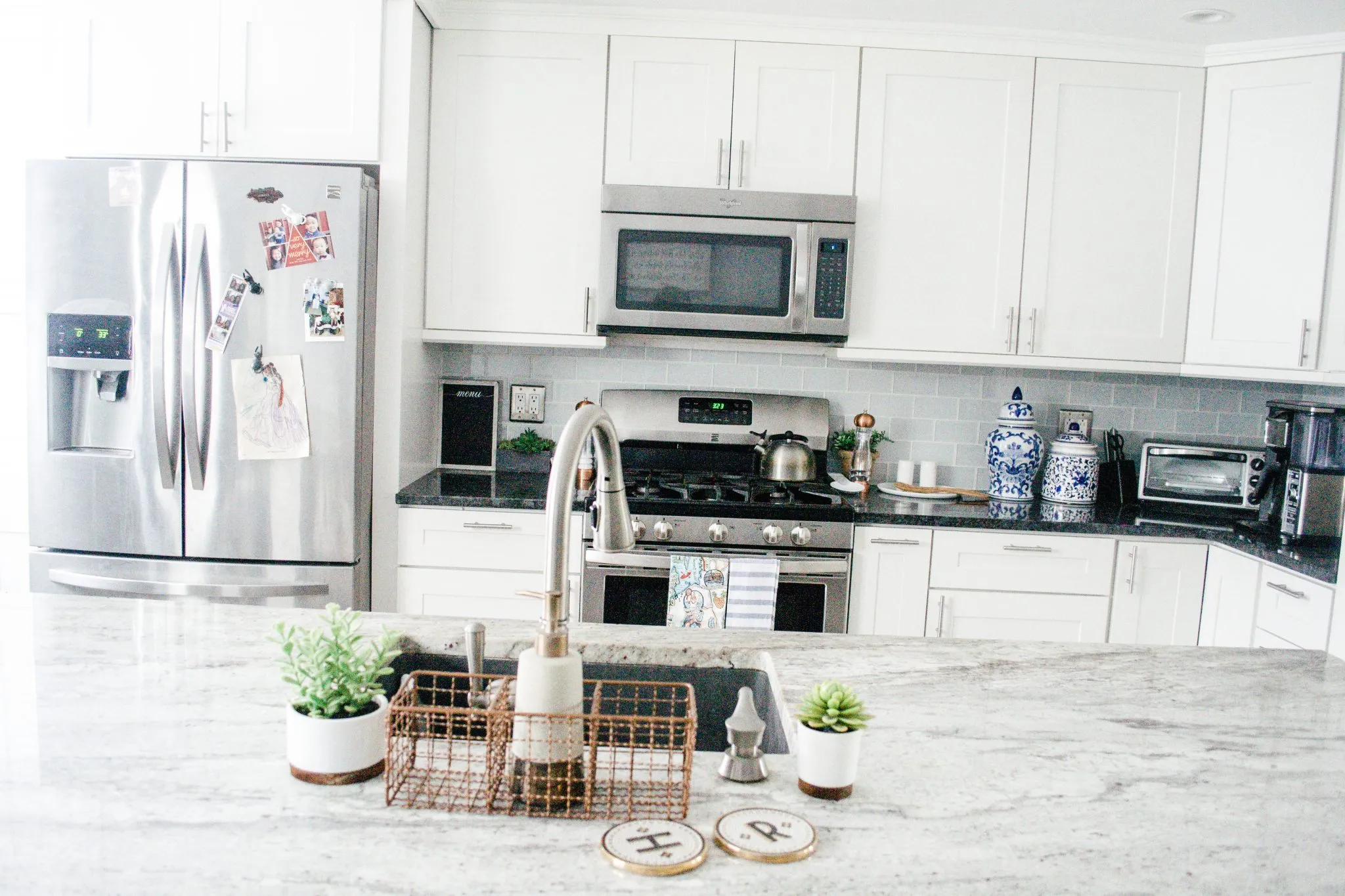
Transforming your kitchen doesn’t have to break the bank. DIY kitchen decor offers a fantastic opportunity to personalize your space while staying within your budget. Whether you’re a seasoned crafter or a complete beginner, the world of DIY kitchen projects is vast and rewarding. This guide will walk you through the process of creating a stylish and functional kitchen without the high costs associated with professional renovations or expensive store-bought items. By understanding the value of DIY, planning your projects effectively, and knowing where to start, you can create the kitchen of your dreams. Get ready to unleash your creativity and discover how easy and affordable it is to elevate your kitchen’s aesthetic.
Understanding the Value of DIY Kitchen Decor
DIY kitchen decor goes beyond mere cost savings; it offers a unique blend of personalization, creativity, and satisfaction. When you choose to DIY, you’re not just buying a product; you’re investing your time, effort, and imagination into creating something truly unique. This allows you to tailor every detail to your exact preferences, ensuring that your kitchen reflects your personal style and needs. Furthermore, DIY projects are incredibly therapeutic. The process of creating something with your own hands can be incredibly relaxing and rewarding, providing a sense of accomplishment that store-bought items simply can’t offer. You also have the flexibility to experiment with different styles and trends without making a significant financial commitment.
Why DIY Kitchen Decor Is Budget-Friendly
The primary appeal of DIY kitchen decor lies in its cost-effectiveness. By taking on projects yourself, you eliminate the labor costs associated with hiring professionals. Moreover, you have complete control over your spending. You can source materials from affordable places like dollar stores, thrift shops, or repurposing items you already own. DIY projects encourage creative problem-solving and resourcefulness. You can find inspiration in unexpected places and transform everyday objects into stunning kitchen decor. Additionally, DIY projects often require fewer materials than you might think. Small changes, like painting cabinets or adding new hardware, can dramatically refresh a space without requiring a complete overhaul. The ability to start small and gradually improve your kitchen over time is a significant advantage, allowing you to spread out the costs and avoid a large upfront investment.
Planning Your DIY Kitchen Decor Project

Effective planning is the cornerstone of any successful DIY project. Before you even pick up a paintbrush or hammer, take the time to strategize. This phase will help you avoid costly mistakes and ensure a smooth, enjoyable experience. The first step is to assess your kitchen’s current state and determine what changes you want to make. Consider the layout, functionality, and overall aesthetic. What areas feel cramped or outdated? What improvements would make your kitchen more user-friendly and visually appealing? A well-defined plan provides a roadmap to guide your work, keeping you focused and preventing scope creep, where the project expands beyond your initial budget and timeline. Create a detailed project outline, listing all the tasks involved, the materials you’ll need, and a realistic timeline for completion. This will help you stay organized and motivated throughout the process.
Assessing Your Kitchen’s Needs
Begin by critically evaluating your kitchen. Walk through the space and identify areas for improvement. Is the lighting adequate? Are the cabinets organized effectively? Are there any storage limitations? Consider the flow of your kitchen; is it easy to move from the cooking area to the sink to the refrigerator? Take notes on any functional issues. Observe how you and your family use the kitchen daily. What areas receive the most traffic? Are there any inefficiencies in the current layout? Addressing these practical needs is essential for creating a kitchen that functions well. Beyond functionality, consider the aesthetics. What style do you prefer? Are the colors and finishes outdated? Assessing your kitchen’s needs will inform your design choices and guide you towards projects that make the most impact.
Defining Your Decor Style
Before purchasing any materials or starting any projects, define your desired decor style. This will serve as a guiding principle for your design choices. Research different kitchen styles like farmhouse, modern, minimalist, or bohemian. Look at magazines, websites, and social media for inspiration. Create a mood board with images of kitchens you admire. This visual tool will help you identify common themes, colors, and textures that appeal to you. Consider the existing features of your kitchen. Can you incorporate any of them into your design? The goal is to create a cohesive and visually pleasing space that reflects your personality and taste. Knowing your style will also make it easier to select materials and avoid impulse purchases. Stick to your style. Sticking to a well-defined style prevents a disjointed look.
Essential Tools and Materials

Having the right tools and materials is crucial for a successful DIY kitchen decor project. Before starting any project, take an inventory of your existing tools. Identify any gaps and make a list of the items you need to purchase or borrow. Start with essential tools. A basic toolkit should include a screwdriver set, a hammer, a measuring tape, a level, a utility knife, and a pair of pliers. As you progress, you may need specialized tools such as a drill, a saw, or a sander. Invest in quality tools. Consider borrowing tools. Check with friends, family, or local tool libraries if you don’t want to buy every tool. For materials, research the best options for your projects. Look for affordable yet durable choices. Repurpose or upcycle whenever possible. This is where your creativity can really shine.
Gathering Your Supplies
Once you have a clear plan and a list of necessary materials, gather your supplies systematically. Make a detailed shopping list, including the exact quantities of each item. Shop around for the best prices. Compare prices from different stores, both online and offline. Consider visiting discount stores, hardware stores, and thrift shops for affordable options. If you’re repurposing items, gather them early on so you have them when you’re ready to work. Purchase materials in advance to avoid delays. Be sure to have safety equipment. Safety glasses, gloves, and a dust mask are essential, especially when working with power tools or chemicals. Proper preparation and having the right tools and supplies will ensure the project is smooth and successful.
Preparing Your Kitchen Space for DIY
Before beginning any DIY project, it’s essential to prepare your kitchen space thoroughly. This will protect your existing surfaces, create a safe working environment, and make the process more efficient. Proper preparation can save time, prevent damage, and ensure a smoother, more enjoyable experience. Take the time to do this right, and your project will thank you.
Cleaning and Clearing the Area

Start by giving your kitchen a thorough cleaning. Wipe down all surfaces to remove dust, grease, and grime. This will improve the adhesion of paint, adhesives, and other materials. Clear the area of any unnecessary items, such as appliances, furniture, and decor. If you’re working on a specific section of your kitchen, clear that area completely. This will give you more space to work and reduce the risk of accidents. Declutter countertops, cabinets, and drawers. This will provide a blank canvas for your projects. Ensure there is enough space to move around and work comfortably. Good lighting is essential. Make sure your kitchen is well-lit. If necessary, add additional lighting. This will help you see clearly and prevent mistakes.
Protecting Surfaces
Protect your countertops, floors, cabinets, and other surfaces from damage. Cover countertops and floors with drop cloths, plastic sheeting, or cardboard. Use painter’s tape to protect areas that you don’t want to paint. Remove any hardware from cabinets, drawers, and doors. Store these items in a safe place to prevent loss or damage. Protect appliances from paint splatters or dust by covering them with plastic sheeting or moving them out of the work area. Consider the potential hazards of the project. If you’re working with power tools, wear safety glasses and a dust mask. By protecting surfaces and yourself, you’ll minimize the risk of accidents and ensure a cleaner, more professional outcome.
Top DIY Kitchen Decor Projects to Start With
If you are unsure where to begin, starting with simple projects can provide an easy entry into DIY kitchen decor. These initial projects often require minimal tools and can be completed in a short amount of time. These projects provide a good way to get your feet wet and start personalizing your kitchen without a major investment. You can build your confidence and skills as you tackle new challenges and more complex projects in the future. Each project can stand alone as a quick update or can be combined with other DIY projects for a complete kitchen makeover.
DIY Wall Decor Ideas

Transforming your kitchen walls can dramatically change the overall look and feel of the space. Consider painting an accent wall to add color and personality. Choose a color that complements your existing decor. Create a gallery wall with framed prints, artwork, or family photos. Thrift stores and online marketplaces are great places to find affordable frames and artwork. Add floating shelves. They are a great way to add storage and display decor items. These can be customized to fit your kitchen’s size and style. Use stencils or freehand designs to create a unique mural or pattern on a wall. Using washi tape, you can create temporary patterns and designs on walls. Wall decor is an excellent way to express your style.
DIY Kitchen Organization Solutions
Effective organization is a must in a functional kitchen. Organize your cabinets. Install pull-out shelves or lazy Susans to maximize storage space. Add shelf liners to protect your shelves and make them easier to clean. Use clear containers to store dry goods, such as pasta, rice, and cereals. This will help you keep track of what you have and prevent food waste. Create a spice rack to keep your spices organized and within easy reach. A tiered rack can help you see everything at a glance. Use drawer dividers to keep utensils, cutlery, and other small items organized. Maximize storage space by utilizing the inside of cabinet doors. A few simple organization projects can transform a cluttered kitchen into a well-organized and efficient space.
DIY Table and Countertop Decor
Adding decor to your table and countertops will add personality and style. Create a centerpiece for your table. Use a vase, a bowl of fruit, or a collection of candles. Make a custom table runner or placemats. Fabric remnants, or repurposed materials, can be used to create unique and stylish table linens. Add a cutting board to your countertop. It can be a functional and decorative item. Create a coffee station or a baking station. Include items such as a coffee maker, mugs, and sugar bowls. Use a decorative tray to group items. It keeps things organized and adds visual appeal. Change your decor seasonally. This keeps your kitchen looking fresh and inviting.
Incorporating DIY Kitchen Decor

Once your DIY projects are complete, thoughtfully incorporate your new decor into your kitchen space. The goal is to create a cohesive and inviting environment that reflects your personal style and enhances functionality. Pay attention to the placement of each item. Consider the overall balance and visual flow of your kitchen. Make sure each item has a purpose and enhances the space. Avoid clutter by keeping only essential items on display and storing the rest in cabinets or drawers. Regularly rearrange your decor to keep things fresh. Rotate items, experiment with different arrangements, and update your decor to reflect the seasons or your changing tastes. Your kitchen should be both beautiful and functional, a space where you enjoy spending time and creating meals.
Adding Color and Texture
Color and texture are essential elements of kitchen decor, adding depth, interest, and personality to your space. Use color strategically. Choose colors that complement your existing kitchen elements. Use bright colors for a pop of energy. Neutral tones create a calming, more spacious environment. Introduce texture through various materials. Combine smooth surfaces with textured elements. Add warmth with natural materials, such as wood, stone, and woven textiles. Layer different textures to create visual interest. Use a mix of smooth and rough materials. Color and texture can change the mood of a kitchen.
Arranging Your Decor
Once you’ve completed your DIY projects and chosen your colors and textures, it’s time to arrange your decor. The goal is to create a visually pleasing and functional space. Group items in odd numbers. It’s more aesthetically pleasing. Create visual balance by distributing decor items throughout your kitchen. Place taller items towards the back and shorter items in front. Consider the focal points of your kitchen and use decor to draw attention to these areas. Don’t overcrowd surfaces. Leave enough open space to prevent a cluttered look. By taking the time to arrange your decor thoughtfully, you can create a kitchen that is both beautiful and inviting.
Maintenance and Upkeep of DIY Decor

Proper maintenance and upkeep are essential to preserving the beauty and extending the lifespan of your DIY kitchen decor. Regular care will not only keep your projects looking their best but will also prevent damage and reduce the need for frequent replacements. Make maintenance a part of your routine.
Cleaning DIY Items
Regular cleaning is essential for preserving the appearance of your DIY decor. Clean wooden items with a gentle wood cleaner and a soft cloth. Avoid harsh chemicals that can damage the finish. Dust shelves, frames, and other decorative items regularly. This will prevent dust buildup and keep your kitchen looking fresh. Wipe down countertops and surfaces with a damp cloth. Clean fabric items, such as curtains or table runners, according to the care instructions. For painted items, use a mild cleaner and a soft cloth. Remove stains promptly to prevent them from setting. The goal is to keep your decor clean and looking its best. Regular cleaning makes it easier and prevents extensive cleaning in the future.
Repurposing and Refreshing Decor
Don’t be afraid to refresh or repurpose your decor. This can keep your kitchen feeling new and exciting. Change out your decor seasonally. This is a simple way to add a fresh look. Revamp old projects. Repaint an item or add new hardware. Donate or sell any items you no longer need or want. This will make room for new projects. Repurposing items extends their life and reduces waste. You can often find new uses for old items. Keeping your decor fresh and updated will help maintain the beauty of your kitchen.
Conclusion DIY Kitchen Decor on a Budget
Embarking on DIY kitchen decor is a rewarding journey that empowers you to transform your space while staying within your budget. By understanding the value of DIY, planning your projects carefully, and mastering the essential skills, you can create a kitchen that reflects your personality and meets your needs. Remember that the process is just as valuable as the final product. Embrace the opportunity to learn, experiment, and express your creativity. With a little effort and imagination, you can create a stunning and functional kitchen that you will love for years to come. So gather your tools, unleash your creativity, and start your DIY kitchen decor adventure today!