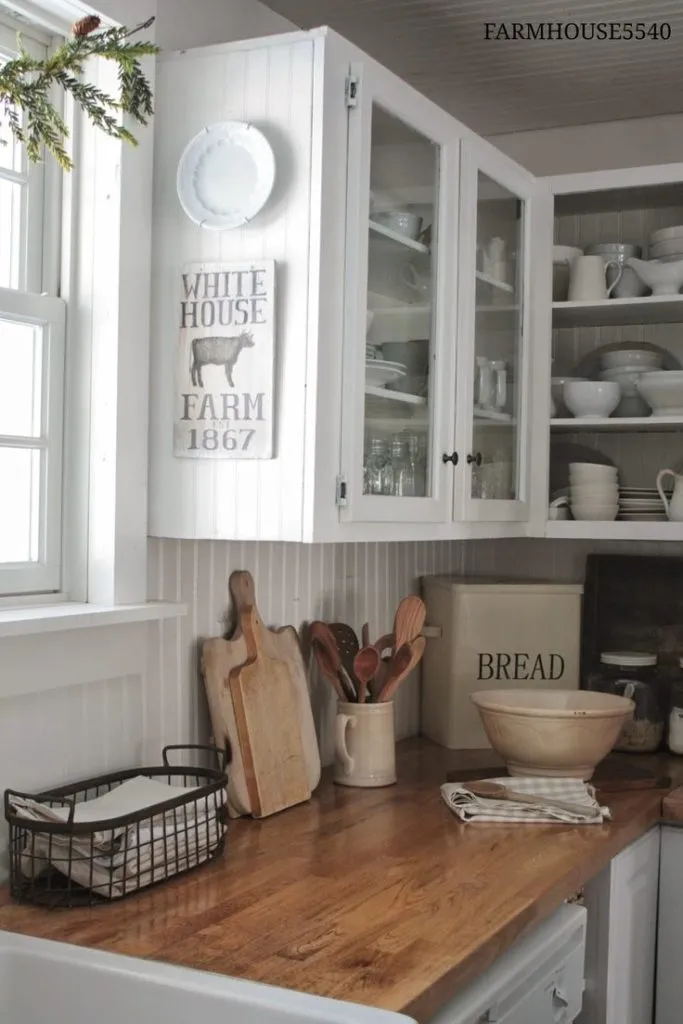
What is Farmhouse Kitchen Decor
Farmhouse kitchen decor is a charming and inviting design style that emphasizes comfort, functionality, and a touch of rustic elegance. It’s a celebration of simplicity, warmth, and the beauty of natural materials. Unlike modern, minimalist kitchens, farmhouse kitchens embrace imperfections and celebrate the character of well-loved pieces. This style evokes a sense of nostalgia and a connection to the past, creating a space that feels both welcoming and practical. It’s a timeless aesthetic that seamlessly blends traditional elements with modern sensibilities, making it a popular choice for homeowners seeking a warm and lived-in feel in their culinary space.
The Essence of Farmhouse Style
At its heart, farmhouse style is about creating a home that feels lived-in and loved. It’s characterized by its focus on comfort, practicality, and a connection to nature. This aesthetic often incorporates vintage or antique elements, handcrafted details, and a sense of history. The essence of farmhouse style extends beyond just decor; it’s about creating a space that feels like a sanctuary, a place where family and friends can gather and feel at ease. This style is all about embracing imperfections, celebrating the beauty of natural materials, and creating a warm and inviting atmosphere. It’s about finding beauty in the everyday and creating a home that reflects your personal style and values.
Key Elements of Farmhouse Kitchen Decor

Several key elements define the farmhouse kitchen. These include the use of neutral color palettes, natural materials, and vintage accents. Open shelving, apron-front sinks (also known as farmhouse sinks), and butcher block countertops are also typical features. Lighting plays a crucial role, often incorporating rustic pendants or chandeliers. The overall goal is to create a space that feels both functional and aesthetically pleasing, a place where cooking and gathering are equally enjoyable. Consider the combination of these elements to create a cohesive and inviting space that is the heart of your home. A well-designed farmhouse kitchen is both beautiful and practical, a space where you can cook, eat, and entertain with ease.
Natural Materials and Textures
The use of natural materials is central to farmhouse kitchen decor. Wood is a primary element, used in cabinetry, flooring, and furniture. The wood can be painted, stained, or left natural to showcase its grain and texture. Stone, such as marble or granite, is another popular choice, adding a touch of elegance and durability. Woven materials like wicker and rattan can be incorporated through baskets, chairs, or light fixtures, adding warmth and texture. The interplay of these materials creates a tactile experience and reinforces the connection to nature that is so important in farmhouse design. These materials bring a sense of authenticity and character to the space, creating a welcoming and lived-in feel.
Color Palette for a Cozy Kitchen
A neutral color palette forms the foundation of most farmhouse kitchens. Whites, creams, and soft grays create a bright and airy atmosphere, making the space feel larger and more inviting. These neutral colors also provide a versatile backdrop for incorporating pops of color through accessories and decor. Accent colors, such as blues, greens, and yellows, can be used to add personality and visual interest. These colors are often drawn from nature, such as the sky, the sea, or the fields. The key is to create a balanced and harmonious color scheme that feels both calming and inspiring. The use of neutral colors allows the natural materials and textures to take center stage, creating a timeless and elegant look.
Warm and Inviting Color Schemes

While the base of a farmhouse kitchen is often neutral, warmer color schemes can add coziness and personality. Consider incorporating warm whites, such as creamy off-whites or soft ivory shades, to create a welcoming atmosphere. Earthy tones like muted browns, olive greens, and terracotta can also be introduced through accessories, textiles, or even an accent wall. These warm colors evoke a sense of comfort and create a space that feels like a sanctuary. For a touch of vibrancy, consider adding touches of yellow or blue to complement the other colors. These accent colors should be used sparingly, but they will add visual interest and prevent the space from feeling monotonous. The choice of colors depends on the natural light and the overall feel you want to achieve.
Choosing the Right Furniture
Furniture selection plays a crucial role in defining the farmhouse aesthetic. Opt for pieces with classic lines, such as a farmhouse table with wooden chairs or a vintage-style hutch. Consider pieces made from natural materials like wood and metal. The furniture should be functional and comfortable, creating a space where family and friends can gather and relax. Look for pieces that have a timeless appeal and can withstand the test of time. Consider also the kitchen island, as it will become a gathering point and will greatly impact the look and feel of your kitchen. The furniture should not only be practical but also aesthetically pleasing, contributing to the overall charm and character of your farmhouse kitchen.
Selecting the Perfect Kitchen Island
A kitchen island is often the heart of the farmhouse kitchen, providing both functionality and a focal point. Choose an island that complements the overall design, whether it’s a rustic wooden piece with a butcher block top or a painted island with open shelving. Consider the size and shape of the island in relation to the available space, ensuring that there is enough room to move around comfortably. The island can be used for food preparation, dining, or storage, making it an extremely versatile addition to the kitchen. Adding seating around the island encourages social interaction and transforms the space into a gathering spot. Consider also adding some touches to the island such as a copper sink to elevate the style.
Adding Rustic Charm

Rustic charm is a hallmark of farmhouse decor, and it can be incorporated through various design elements. Exposed beams, shiplap walls, and reclaimed wood accents add character and visual interest. Incorporate metal accents such as wrought iron or galvanized steel, which can be used for lighting fixtures, cabinet hardware, or decorative elements. Embrace imperfections and embrace the beauty of weathered materials. Consider adding distressed furniture or accessories. The use of rustic elements brings a sense of history and authenticity to the space, creating a warm and inviting atmosphere. Adding rustic elements should be done in balance with other elements to keep your space modern and functional.
Decorating with Vintage Accents
Vintage accents are a great way to add personality and character to a farmhouse kitchen. Incorporate antique kitchen tools, such as scales, colanders, or rolling pins, as decorative elements. Display vintage signage, such as metal signs or wooden plaques. Use antique dishes, mason jars, or milk bottles to add charm to open shelving or countertops. Vintage accents tell a story and add visual interest to the space. Thrift stores, antique shops, and flea markets are great places to find unique vintage pieces that will add character to your kitchen. When selecting vintage accents, consider the color palette and the overall style of your kitchen to ensure a cohesive and harmonious look.
The Importance of Lighting
Lighting plays a crucial role in setting the mood and enhancing the aesthetic of a farmhouse kitchen. Layer your lighting to create a balanced and functional space. Combine ambient lighting, such as recessed lights or a chandelier, with task lighting, such as pendant lights over the island or under-cabinet lighting. Add accent lighting, such as sconces or string lights, to highlight specific features or create a warm and inviting atmosphere. The choice of lighting fixtures can greatly impact the overall style of the kitchen. Consider using rustic pendants, wrought iron chandeliers, or mason jar lights to complement the farmhouse aesthetic. Good lighting not only makes the kitchen functional but also enhances its beauty, creating a welcoming space.
Layering Your Lighting

Layering your lighting involves combining different types of light sources to create a functional and visually appealing space. Start with ambient lighting to provide overall illumination, using fixtures like recessed lights or a central chandelier. Add task lighting to illuminate specific work areas, such as the countertops or the sink, using pendant lights or under-cabinet lighting. Finally, incorporate accent lighting to highlight architectural features or create a cozy atmosphere, using sconces, string lights, or even candles. Layering your lighting allows you to customize the lighting based on the activity and time of day. It also enhances the overall design of the kitchen and creates a warm and inviting atmosphere. Using dimmers is a great way to control the lighting and create the desired mood.
Creating a Functional Layout
A functional layout is essential for any kitchen, and the same applies to a farmhouse kitchen. Consider the work triangle, the imaginary line connecting the sink, stove, and refrigerator, to ensure that the kitchen is efficient and easy to navigate. Optimize the placement of appliances, storage, and work surfaces. Ensure that there is enough counter space for food preparation and enough storage for all your kitchen essentials. A well-designed layout makes cooking and entertaining easier and more enjoyable. Consider adding a kitchen island to provide additional counter space and storage. Ensure that there is enough room for people to move around comfortably, and that the layout supports your daily kitchen routines.
Optimizing Kitchen Space
Optimizing kitchen space is essential for both functionality and aesthetics. Make use of vertical space by installing open shelving or tall cabinets. Use drawers and pull-out shelves in lower cabinets to maximize storage. Declutter your countertops by storing small appliances and utensils in cabinets or drawers when not in use. Consider adding a pantry or a storage island to maximize storage space. Organize your cabinets and drawers with dividers and organizers to make it easier to find what you need. The goal is to create a kitchen that feels spacious and organized, making it easier to cook and entertain. A well-organized kitchen not only looks better, but it also saves time and reduces stress.
Finishing Touches

The finishing touches are what truly personalize your farmhouse kitchen. Add accessories like fresh flowers, potted herbs, or decorative bowls to add color and life to the space. Choose textiles like patterned tea towels, linen curtains, or a cozy rug to add texture and warmth. Display your favorite cookbooks, antique kitchen tools, or vintage signs to reflect your personality. The finishing touches are about adding character and creating a space that feels uniquely yours. These personal touches will make your kitchen feel more inviting and create a space that you love to spend time in. Take your time selecting the finishing touches, and choose pieces that reflect your personal style and create a cohesive look.
Adding Personalization
The key to a successful farmhouse kitchen is to add personal touches that reflect your style and interests. Display family photos, artwork, or other meaningful objects to make the space feel like your own. Incorporate colors, patterns, or materials that you love, even if they aren’t traditionally farmhouse. Don’t be afraid to mix and match styles. Consider incorporating modern elements or personal heirlooms to create a unique and personalized look. Ultimately, a farmhouse kitchen should reflect your personality and create a space that you love to spend time in. Your personality will make your kitchen stand out from the crowd. So, let your creativity shine, and create a space that feels like home.