Planning Your Gluten-Free Kitchen Decor
Designing a gluten-free kitchen is about creating a space that is both functional and aesthetically pleasing while also ensuring the safety of those with gluten sensitivities. It requires thoughtful planning to avoid cross-contamination and to make cooking and food preparation as seamless as possible. The goal is to establish a dedicated area where you can confidently prepare meals without the risk of gluten exposure. This involves considering various elements, from the layout of your kitchen to the types of materials you use and the storage solutions you implement. Think of this as your safe haven, a place where you can unleash your culinary creativity and enjoy delicious, worry-free meals.
Define Your Style
Before diving into specific decor choices, it’s essential to define the overall style you want for your gluten-free kitchen. This could range from modern and minimalist to rustic and cozy, or anything in between. Consider the existing architecture of your home and how you want the kitchen to integrate with the rest of your living space. Do you prefer clean lines and open spaces, or do you favor a more traditional, homey atmosphere? Your style choice will inform decisions about color palettes, materials, and the types of accessories you incorporate. Creating a mood board with images of kitchens you love, color swatches, and material samples can be a great way to visualize your desired aesthetic and keep you focused throughout the decorating process. The style you choose should reflect your personality and make you excited to spend time in your kitchen.
Consider the Layout and Functionality

The layout of your kitchen is crucial for both functionality and safety in a gluten-free environment. Think about the workflow within your kitchen and how you can minimize the risk of cross-contamination. One of the key aspects to consider is the separation of food preparation areas. Ideally, you should have distinct zones for preparing gluten-containing foods (if any for other household members) and preparing gluten-free meals. Ensure that countertops, cutting boards, and utensils used for gluten-free cooking are clearly marked and stored separately from items that might come into contact with gluten. Consider the placement of your appliances, ensuring easy access to frequently used items and maximizing counter space for food preparation. A well-organized and functional layout reduces stress and helps to keep your kitchen clean and safe.
Choosing the Right Materials
The materials you choose for your kitchen decor play a vital role in both aesthetics and hygiene. Opting for easy-to-clean, non-porous surfaces is essential to prevent gluten particles from lingering. Countertops, backsplashes, and flooring should be selected with this in mind. Consider the durability and maintenance requirements of each material, and choose those that are best suited for your lifestyle and cooking habits. Think about how often you cook, the amount of foot traffic your kitchen receives, and how easily you can clean each surface. The right materials will not only enhance the appearance of your kitchen but also contribute to a safer and more efficient gluten-free cooking environment.
Wood
Wood adds warmth and natural beauty to a kitchen. When choosing wood for your gluten-free kitchen, make sure it’s properly sealed to prevent absorption of gluten particles. Consider using wood for cabinets, shelving, and even countertops (with a protective sealant). Regularly clean and inspect wooden surfaces to ensure there are no cracks or crevices where gluten might accumulate. The type of wood and sealant you choose will affect the overall aesthetic and longevity of your kitchen design. Wood can create a cozy and inviting atmosphere, making your kitchen a comfortable space for cooking and gathering.
Stainless Steel

Stainless steel is an excellent choice for a gluten-free kitchen due to its non-porous surface and easy-to-clean properties. It’s a popular choice for appliances, sinks, and countertops. Stainless steel is hygienic and resists stains and bacteria, making it ideal for food preparation areas. The sleek, modern look of stainless steel can complement any kitchen style. However, keep in mind that stainless steel can show fingerprints and water spots, so regular cleaning is required to maintain its appearance. Stainless steel appliances and fixtures contribute to a clean and efficient kitchen environment.
Glass and Acrylic
Glass and acrylic are excellent choices for adding a touch of elegance and modernity to your gluten-free kitchen. Glass can be used for backsplashes, cabinet doors, and even countertops (with proper backing), while acrylic is suitable for various decorative elements. These materials are non-porous and easy to clean, making them safe for gluten-free food preparation. They also reflect light, making your kitchen appear brighter and more spacious. Glass and acrylic offer versatility in design, allowing you to create unique and stylish elements in your kitchen. Be cautious about the durability of these materials in high-traffic areas and make sure they are properly installed to ensure longevity.
Color Palette and Design
The color palette you choose significantly impacts the overall ambiance and feel of your kitchen. Colors can influence your mood and affect your perception of space. Consider how different colors can create the atmosphere you desire for your gluten-free kitchen. Lighter colors can make a space feel larger and more open, while darker colors can add warmth and coziness. Consider how the natural light in your kitchen will affect your chosen color palette. Combining different textures and materials can add depth and visual interest to your kitchen design, creating a space that is both inviting and functional.
Choosing the Right Colors

When selecting colors for your gluten-free kitchen, consider colors that promote a sense of cleanliness and tranquility. Soft, neutral colors like whites, creams, and light grays can create a clean, airy feel, making your kitchen feel more spacious. Adding pops of brighter colors through accessories, like red or blue, can bring vibrancy and personality. The color of your walls, cabinets, and countertops will set the tone for the entire space. Consider the size of your kitchen and the amount of natural light when making your color choices. Colors can also influence your mood, so choose hues that inspire you to cook and enjoy the space.
Incorporating Textures
Incorporating different textures can add depth and visual interest to your kitchen design. Mixing smooth surfaces, such as stainless steel and glass, with textured elements, such as wooden cabinets or a brick backsplash, creates a dynamic and engaging space. The use of different textures can also help to define different areas within your kitchen. The combination of textures also adds visual interest, preventing your kitchen from feeling flat. Consider using textured tiles, woven fabrics, or even a textured wallpaper to add warmth and personality. Ensure that all textured surfaces are easy to clean and maintain to prevent the accumulation of gluten particles.
Lighting for a Gluten-Free Kitchen
Proper lighting is essential for creating a functional and inviting gluten-free kitchen. It enhances the aesthetics of the space and ensures you can see clearly while preparing food. Consider incorporating different types of lighting to create a layered effect. Ambient, task, and accent lighting work together to create a well-lit and welcoming environment. The right lighting can make your kitchen feel more spacious, brighter, and more enjoyable to cook in. Choose energy-efficient options and consider the placement of each light source to maximize its effectiveness.
Ambient Lighting

Ambient lighting provides general illumination for the entire kitchen. This can come from overhead fixtures like recessed lights, chandeliers, or pendant lights. Choose fixtures that complement your kitchen style. Ensure the ambient light is bright enough to illuminate the entire space without creating harsh shadows. Dimmers can be used to control the intensity of the lighting. This lighting is essential for creating a welcoming and functional atmosphere in your gluten-free kitchen.
Task Lighting
Task lighting focuses on specific work areas, such as countertops, the stovetop, and the sink. This type of lighting is crucial for safe and efficient food preparation. Consider installing under-cabinet lights, pendant lights over the island, or spotlights over the cooktop. Task lighting should provide bright, focused illumination to prevent accidents and make cooking easier. Proper task lighting will improve your cooking experience and reduce eye strain.
Accent Lighting
Accent lighting adds visual interest and highlights specific features in your kitchen. This could include lighting inside glass-front cabinets or spotlights on artwork. Accent lighting enhances the aesthetics of your kitchen and creates a warm and inviting atmosphere. Accent lighting can be used to showcase decorative items or to add depth and dimension to your space. Consider using LED strips to illuminate the tops of your cabinets or under shelves. Accent lighting is the perfect finishing touch to your gluten-free kitchen design.
Storage Solutions

Effective storage solutions are crucial for a well-organized and functional gluten-free kitchen. Adequate storage helps to prevent cross-contamination and makes it easier to find and access ingredients and utensils. Consider your specific needs and the amount of storage space available. Optimize every inch of your kitchen to create an efficient and organized cooking environment. Proper storage not only maximizes space but also contributes to a clean and safe workspace.
Pantry Organization
An organized pantry is essential for a gluten-free kitchen. Store gluten-free foods separately from gluten-containing items. Use clear containers to store bulk items and label them clearly. Consider using shelves, drawers, and bins to maximize space and keep everything within easy reach. Regular inventory checks and disposal of expired items will also help keep your pantry in order. Well-organized pantry reduces the risk of cross-contamination, simplifies meal planning, and helps to ensure that you always have the ingredients you need on hand.
Countertop Organization
Keep your countertops clutter-free to maximize workspace and prevent cross-contamination. Store frequently used items in easy-to-reach locations, but keep them away from potential sources of gluten. Use utensil holders, spice racks, and other organizers to keep things tidy. Consider the use of drawers and cabinets. Regularly clean your countertops to keep them free from crumbs and spills. Well-organized countertops make cooking and food preparation more enjoyable.
Decorating Accessories

Accessories are essential for adding personality and style to your gluten-free kitchen. They can include artwork, textiles, and other decorative items that reflect your personal taste. Choosing the right accessories can transform your kitchen into a warm, inviting, and stylish space. Make sure all the accessories are easy to clean and safe. Accessories add the finishing touches to your kitchen design.
Artwork and Wall Decor
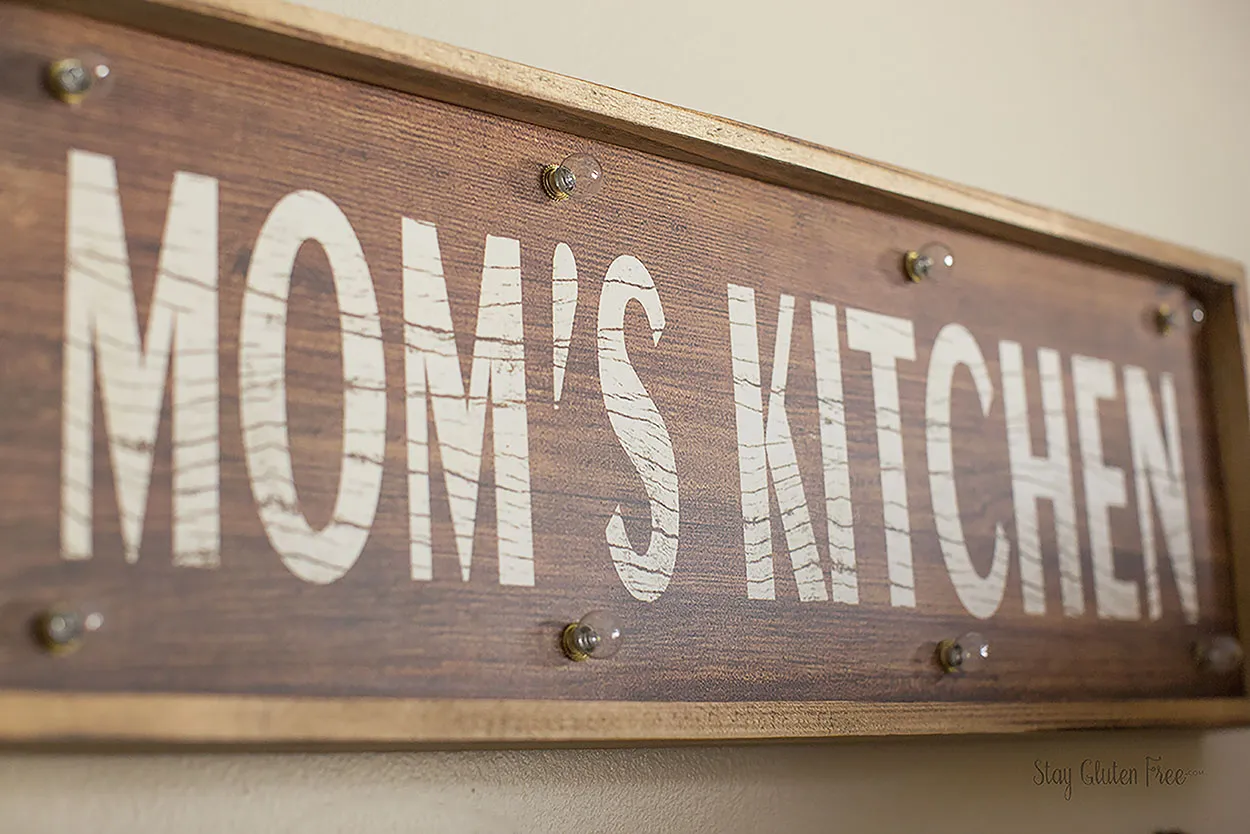
Choose artwork that complements your kitchen style and adds personality to the space. Consider framed prints, paintings, or decorative signs. Make sure to keep the artwork away from food preparation areas to avoid cross-contamination. Regularly clean the artwork to prevent the build-up of dust and debris. Wall decor can brighten up your kitchen.
Textiles and Soft Furnishings
Textiles, such as curtains, rugs, and dish towels, can add warmth and texture to your kitchen. Choose fabrics that are easy to clean and maintain. Consider using machine-washable options for dish towels and other items that come into frequent contact with food. Regularly wash all textiles to prevent the spread of gluten particles. Coordinate the colors and patterns of your textiles with your overall kitchen design to create a cohesive and inviting space.