Gothic Kitchen Decor Ideas to Transform Your Space
Transforming your kitchen into a gothic haven is a captivating way to express your unique style and embrace a dramatic, elegant aesthetic. Gothic kitchen decor goes beyond mere decoration; it’s about creating a space that evokes a sense of history, mystery, and sophistication. This guide will provide you with inspiring ideas and practical tips to achieve a stunning gothic kitchen, focusing on key elements, material choices, and design considerations. From the dark, rich color palettes to the carefully selected fixtures, you’ll discover how to create a kitchen that is both functional and visually striking, a true reflection of your individual taste. The gothic style allows for a bold statement, creating a focal point in your home that is sure to impress and inspire.
Understanding Gothic Kitchen Decor
Gothic design is characterized by its dramatic flair, intricate details, and the use of rich, often dark, colors. It draws inspiration from medieval architecture and art, including pointed arches, ornate carvings, and stained glass. In the kitchen, gothic style can be implemented through various elements, from the selection of cabinetry and countertops to the choice of lighting and accessories. The key is to balance the dark, imposing elements with touches of elegance and functionality. The goal isn’t to create a space that feels gloomy, but one that exudes sophistication and timeless beauty. Successfully executing a gothic kitchen design involves a careful consideration of space, natural light, and the balance between the dark and the decorative.
Key Elements of Gothic Style

Several elements define the gothic aesthetic. Think about pointed arches, which can be incorporated into cabinet doors, windows, or decorative accents. Intricate carvings, often found on cabinet doors, range hoods, or furniture, add a touch of historical charm. Stained glass, whether used in windows, cabinet doors, or as decorative panels, introduces color and a sense of drama. Heavy, ornate hardware on cabinets and drawers is another essential element, often made of dark metals like iron or bronze. These elements, when combined thoughtfully, create a cohesive and visually striking gothic kitchen. Think of incorporating wrought iron chandeliers or detailed cabinet pulls to enhance the theme.
Color Palette for Gothic Kitchens
The color palette for a gothic kitchen is typically rich and dark, setting the tone for a dramatic ambiance. Deep hues like charcoal gray, black, burgundy, and deep greens serve as the foundation. These colors can be used for cabinetry, walls, or even appliances. Consider balancing the darkness with lighter accents, such as cream or ivory, for countertops or backsplashes to prevent the space from feeling too enclosed. Metallic accents, like gold, silver, or bronze, can be introduced to add a touch of luxury and visual interest. A well-chosen color palette is critical for creating the desired gothic atmosphere, and experimentation with different shades and combinations is key to finding the perfect look.
Choosing the Right Materials
The materials you choose will significantly impact the look and feel of your gothic kitchen. The right selection of materials will ensure the space reflects the gothic aesthetic in both aesthetics and functionality. Durability and longevity are vital aspects to think about to make the right choice. Consider the textures, finishes, and colors of the different materials to ensure the cohesion with the design scheme.
Wood and Dark Finishes

Wood plays a crucial role in gothic design. Dark-stained wood, such as mahogany, walnut, or ebony, is ideal for cabinetry. The wood grain can be enhanced with rich, dark finishes that accentuate the natural beauty of the material. Consider the use of ornate detailing or carved elements in your cabinetry. Alternatively, you can use dark-painted wood, such as black or charcoal-gray, to achieve a more contemporary gothic look. To ensure the wood elements are durable and functional for years, consider the quality of the wood and its finish.
Stone and Metal Accents
Stone and metal accents add texture and sophistication. Granite or marble countertops with dark veining complement the gothic aesthetic. Alternatively, consider using soapstone, which has a dark, matte finish. Metal elements, such as wrought iron or bronze, can be incorporated into cabinet hardware, light fixtures, and decorative accessories. Using metal materials, such as iron or bronze, allows you to emphasize the historical and dark ambiance of the gothic theme. The contrast between these materials, combined with the darkness of the wood finishes, offers a unique textural appeal.
Incorporating Gothic Vanity in the Kitchen
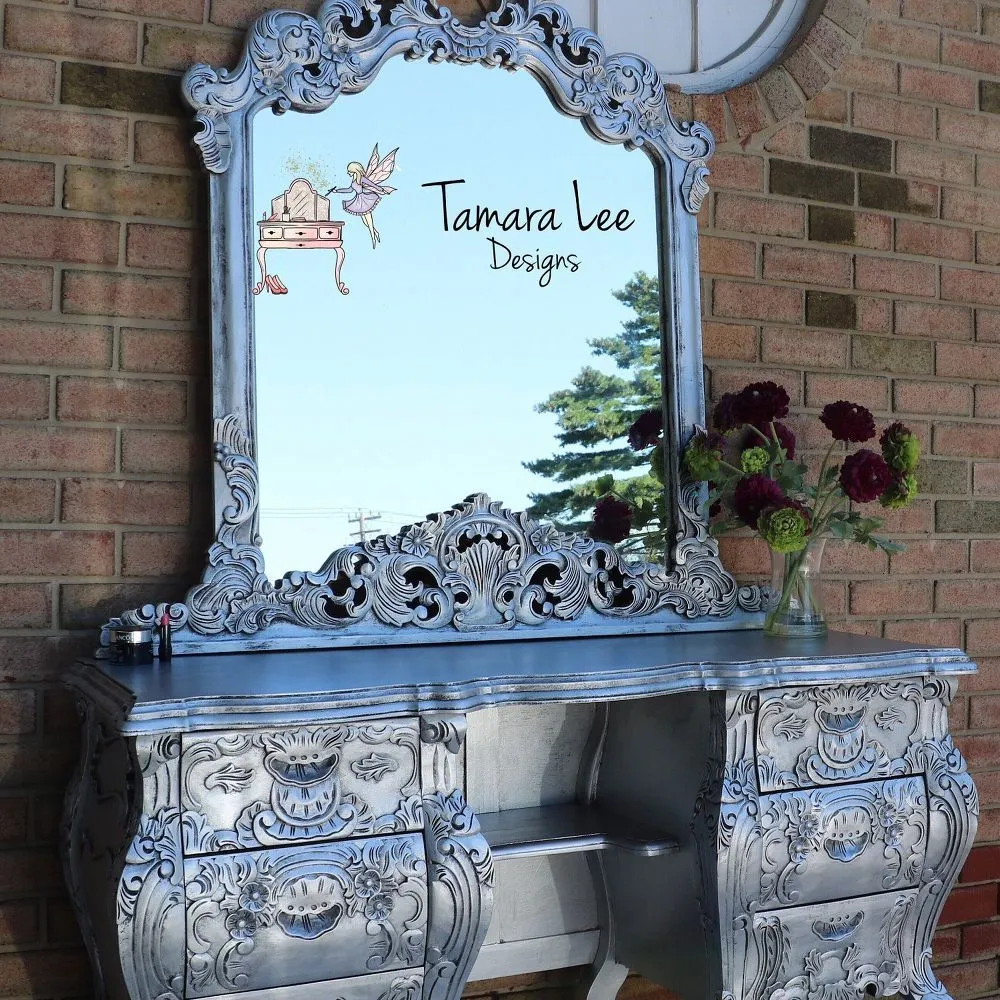
Integrating a gothic vanity into your kitchen design can be a unique and practical way to enhance the overall aesthetic. A gothic vanity in a kitchen creates a space that adds a touch of luxury, and functionality in the form of additional storage and design. If you have enough space, you can create a custom vanity to match the overall theme. Carefully consider the dimensions and the space for incorporating such a piece.
Vanity Design and Placement

The design of your gothic vanity should be consistent with the rest of your kitchen’s gothic theme. Select a dark wood finish, detailed carvings, or ornate hardware. Consider the placement carefully. A freestanding vanity can create a focal point, while a built-in vanity can be integrated into the kitchen layout. The location of the vanity will depend on the space you have, and your personal preference. Ensure it complements the existing design elements, while creating a cohesive look throughout the kitchen.
Selecting the Right Fixtures
The fixtures you select for your vanity, such as the sink, faucet, and mirror, should enhance the gothic aesthetic. Choose a dark metal finish, such as oil-rubbed bronze or antique brass, for the faucet and other hardware. A basin sink will match the overall theme. The mirror can have an ornate frame or an unusual shape. The right selection of fixtures will add to the gothic theme while providing the functionality you need.
Decorating the Kitchen for Gothic Look
Once you have the fundamental design elements in place, it’s time to focus on the decorations. These finishing touches are what will bring the gothic look to life. From lighting and ambiance to furniture and accessories, the decorations will add depth and character to the space. It’s important to be strategic in selecting the decorations. Consider their impact on the mood you want to create in the kitchen, ensuring that each element harmonizes with the design.
Lighting and Ambiance

Lighting is crucial for creating the gothic atmosphere. Use a combination of ambient, task, and accent lighting. Chandeliers with dark metal finishes and crystal accents are a perfect choice. Sconces with a gothic design on the walls, especially near the vanity, can add an elegant and dramatic touch. You can also use dimmer switches to control the intensity of the light, and create the mood of the space. Consider using candles or lanterns for an added layer of ambiance. These lighting choices will greatly impact the mood and overall aesthetic of the kitchen.
Furniture and Accessories
Select furniture and accessories that complement the gothic theme. A kitchen island with dark wood finish or ornate carvings will be a great fit. Wrought iron or antique-style chairs at the kitchen table add to the overall aesthetic. Accessories such as antique candlesticks, ornate serving dishes, or dark-colored pottery will further enhance the gothic feel. Carefully chosen accessories will contribute to the overall design scheme, and improve the functionality of the kitchen.
Adding Gothic Details
Adding gothic details is a great way to personalize your kitchen design. It’s these small details that truly bring the gothic aesthetic to life, ensuring your kitchen is unique. By selecting the right textiles, artwork, and ornaments, you can create an ambiance that reflects your individual taste, transforming your kitchen into a stunning showcase of gothic beauty.
Textiles and Fabrics

Use textiles and fabrics to add texture and visual interest. Dark, luxurious fabrics such as velvet, damask, or brocade can be used for window treatments, cushions, or table runners. Choose colors that complement your color palette, such as deep reds, purples, or blacks. Fabrics with intricate patterns or gothic-inspired motifs will add to the overall theme and create a space that will be luxurious and inviting.
Artwork and Ornaments
Artwork and ornaments are great ways to add a personal touch. Choose artwork that aligns with the gothic aesthetic, such as portraits, landscapes, or abstract pieces with dark colors. Consider displaying antique mirrors, candelabras, or gothic-style sculptures on shelves or countertops. The right artwork and ornaments will enhance the overall ambiance. Consider using antique or vintage pieces to give a sense of history and authenticity.