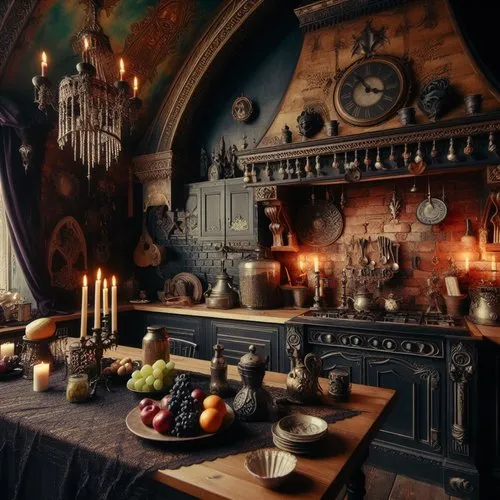
Embracing the Gothic Kitchen Style
Transforming your kitchen into a Gothic sanctuary is an exciting journey into a world of dramatic elegance and timeless appeal. Gothic kitchen decor styles are characterized by their rich history, intricate details, and a touch of mystery, offering a unique aesthetic that sets your space apart. This guide will help you navigate the key elements of Gothic design, ensuring your kitchen embodies the perfect blend of sophistication and functionality. From selecting the right color palette to choosing furniture and accessories, we will explore how to create a space that is both captivating and practical. Prepare to embrace the allure of the Gothic style and discover how to design the perfect kitchen that reflects your unique taste and personality.
The Essence of Gothic Design
At the heart of Gothic design lies a deep appreciation for history, architectural grandeur, and artistic expression. Rooted in the medieval period, Gothic style is known for its pointed arches, soaring vaults, and intricate ornamentation, all of which contribute to a sense of awe and wonder. When applied to kitchen design, Gothic style introduces a sense of drama, luxury, and a touch of the macabre. The aim is to create a space that feels both grand and inviting, where every element contributes to an atmosphere of timeless elegance. The essence of Gothic design is about embracing the bold and the beautiful, creating a space that is both visually stunning and deeply personal. Consider the high ceilings, ornate details, and overall sense of drama that define Gothic architecture to inspire your kitchen design.
Key Elements of Gothic Kitchen Decor

Creating a Gothic kitchen involves incorporating several key elements that define the style. This includes the use of specific materials, intricate details, and a strategic approach to space planning. Dark, rich colors, such as deep reds, purples, and blacks, are essential to setting the mood. Furniture often features heavy, carved details, and the inclusion of gothic-inspired art and accessories adds authenticity. Consider incorporating arches, pointed windows, and other architectural features that evoke the Gothic era. The use of wrought iron, stained glass, and stone accents further enhance the Gothic aesthetic. By focusing on these essential elements, you can transform your kitchen into a space that perfectly captures the essence of Gothic design. The key is to balance drama with functionality, ensuring that the space is both visually striking and practical for everyday use.
Color Palette for Gothic Kitchens
The color palette is crucial in establishing the Gothic ambiance of your kitchen. Deep, saturated colors are the hallmark of this style, evoking a sense of mystery and sophistication. Think of the interiors of ancient castles, with their rich tapestries and dark wood paneling, to inform your choices. Colors should be chosen to create a cohesive and dramatic atmosphere. This creates a sense of depth and visual interest while staying true to the Gothic aesthetic. Remember that the goal is to create a space that is both inviting and visually stunning, a blend of elegance and drama that defines the Gothic style. Using these colors is crucial to establish the Gothic ambiance of your kitchen.
Dark and Dramatic Hues
The foundation of a Gothic kitchen color scheme typically rests on a base of deep, dramatic hues. This includes colors such as deep blacks, charcoal grays, and rich, dark reds. These colors set the mood, creating a sense of intimacy and drama. They also provide a perfect backdrop for the ornate details and rich textures that are characteristic of Gothic design. Deep blacks and charcoals can be used on cabinetry or walls, while dark reds can be incorporated through accents and accessories. These hues not only establish the Gothic atmosphere but also create a sense of depth, making the space feel more luxurious and enveloping. It’s important to choose colors that work well together and complement the other design elements of your kitchen.
Accent Colors to Consider

While dark colors form the base, accent colors add layers of visual interest and prevent the space from feeling too somber. Consider incorporating deep purples, emerald greens, and even touches of gold or silver. These accent colors can be used in the details like cabinet hardware, lighting fixtures, and accessories. Deep purples and emerald greens can add a touch of regal elegance, while metallic accents can provide a striking contrast to the darker tones. The choice of accent colors should complement the base palette while also reflecting your personal style. Think about how these colors can be used to highlight architectural features, add depth to your design, and create a cohesive and visually appealing space.
Furniture and Cabinetry in Gothic Kitchens
Furniture and cabinetry play a pivotal role in defining the Gothic style of your kitchen. The design choices you make will set the tone for the overall aesthetic and create a sense of historical grandeur. Opting for the right furniture and cabinetry will help bring the essence of the Gothic style to life. The details of the furniture should be rich in texture. Choosing Gothic-inspired furniture adds to the richness of the space. Remember that furniture and cabinetry should be functional.
Cabinet Styles and Finishes
Cabinetry is a cornerstone of Gothic kitchen design. Consider cabinets with intricate details and classic designs. Popular options include raised panel doors, arched designs, and ornate carvings. Finishes should align with the overall dark and dramatic aesthetic. Dark wood stains or painted finishes in deep colors, such as black, charcoal, or deep red, are excellent choices. Distressed finishes can also add to the historical charm. Using antique hardware, such as wrought iron pulls and knobs, further enhances the Gothic feel. Remember to choose cabinet styles and finishes that are both visually appealing and practical for your kitchen’s functionality. The right choices create a space that is beautiful and user-friendly.
Choosing Gothic-Inspired Furniture

Selecting furniture that complements your cabinetry is essential. Dining tables with dark wood finishes, sturdy legs, and intricate detailing can bring the Gothic charm to the space. Chairs with high backs and dark upholstery, perhaps with button tufting or nailhead trim, add elegance. Consider adding a kitchen island with carved details or a dark finish. Look for pieces made of dark woods or with metal accents, such as wrought iron. Furniture should be both functional and decorative, contributing to the overall aesthetic of your Gothic kitchen. Consider antique or antique-inspired pieces. Choosing the right furniture will help bring the essence of the Gothic style to life.
Lighting to Enhance Gothic Ambience
Lighting is a critical element in creating the right atmosphere for your Gothic kitchen. The choices you make can enhance the dramatic effect of the dark colors, ornate details, and architectural features. Careful consideration of lighting will transform your kitchen into a Gothic sanctuary. Choosing the right lighting will set the mood. Incorporating statement pieces will enhance the Gothic ambiance. Layering lights will create the desired effect.
Chandeliers and Statement Pieces
Chandeliers are often a focal point in Gothic kitchens, providing a stunning centerpiece that embodies the style. Look for chandeliers made of wrought iron, crystal, or a combination of both. Choose designs with intricate details, such as candelabra arms, gothic arches, or decorative pendants. A chandelier can create a sense of grandeur and luxury, making a bold statement in your kitchen. Besides chandeliers, consider other statement lighting pieces. This could include sconces with dark metal finishes and ornate details. These pieces will create visual interest while providing the lighting needed for the space. Choose lighting that complements your cabinetry and furniture.
Layering Lighting for Effect

To create the perfect ambiance, it’s important to layer your lighting. This involves combining different types of lighting to create depth and visual interest. Start with ambient lighting, which provides overall illumination. This can be achieved through the use of recessed lighting, chandeliers, or pendants. Then, add task lighting to illuminate specific areas, such as the countertops and the cooking area. Under-cabinet lighting and spotlights can be effective for this purpose. Finally, incorporate accent lighting to highlight architectural features or decorative elements. This could include spotlights on a stone wall, or dimmable sconces. Layering your lighting allows you to control the atmosphere, creating a space that feels both functional and inviting.
Decorative Accents and Accessories
Decorative accents and accessories are the final touches that bring your Gothic kitchen to life. These elements add personality, character, and a sense of history to the space. The key is to choose pieces that complement the overall design while adding your own unique touch. Consider items that reflect the architectural grandeur, historical relevance, and dramatic elegance of the Gothic style. Including Gothic-themed tableware will complete the look. Incorporating Gothic art and decor will enhance the style. These elements add depth and personality to the space.
Gothic-Themed Tableware and Linens
Tableware and linens can enhance the Gothic aesthetic. Choose dark-colored plates, bowls, and cups, possibly with ornate patterns or metallic accents. Silverware with intricate designs and black handles adds elegance. Tablecloths and napkins in rich colors, such as deep red, black, or purple, complement the overall theme. Consider using lace or velvet textures for a luxurious touch. The right tableware and linens complete the look. These additions help bring the essence of the Gothic style to life.
Incorporating Gothic Art and Decor

Art and decor can make a significant impact. Display gothic-inspired artwork, such as paintings, sculptures, or tapestries, to establish the style. Choose frames with ornate details and dark finishes. Incorporate decorative objects like candelabras, antique mirrors, and wrought iron accents. Add gothic-themed figurines, such as gargoyles or other medieval-inspired pieces, to various shelves and surfaces. Stained glass windows or inserts can be incorporated. Consider including gothic-inspired accessories throughout your kitchen. This will create a cohesive and visually stunning space that captures the essence of the Gothic design. The right artwork will enhance the Gothic ambiance.
Modern Gothic Kitchen Design: A Blend of Old and New
Modern Gothic design seamlessly blends the elegance of the Gothic style with contemporary elements, creating a sophisticated and unique space. This approach balances the historical charm of Gothic elements with the clean lines and functionality of modern design. The integration of modern elements will enhance the kitchen’s functionality. The contrast of old and new creates a visually appealing space.
Balancing Gothic with Modern Elements
Achieving a balance between Gothic and modern elements involves a careful selection of features and design choices. Incorporate sleek, minimalist cabinetry, while adding Gothic-inspired details through hardware and accents. Use modern appliances with a clean, streamlined design, but choose a dark color palette to stay true to the Gothic theme. Introduce modern lighting fixtures. The goal is to create a space that reflects the unique aspects of both Gothic and modern design. The contrast will enhance the kitchen’s overall design.
Practical Considerations for Gothic Kitchens

Designing a Gothic kitchen also requires careful attention to practical considerations. While aesthetics are important, the space must be functional, durable, and easy to maintain. The right choices will make a space that is both beautiful and practical. There are many considerations that need to be carefully taken care of. The goal is to create a space that is functional, durable, and easy to maintain.
Storage Solutions in Gothic Kitchens
Storage is essential in any kitchen. Consider incorporating built-in cabinets, pantry units, and islands. Choose cabinets that offer ample storage space, while also complementing the Gothic aesthetic. Consider utilizing open shelving units, which can be used to showcase your decorative items and accessories. Remember to optimize space for your kitchen’s functionality. Efficient storage solutions ensure the space is both beautiful and practical. The goal is to keep the space neat and organized.
Durability and Maintenance Tips
Gothic kitchen decor often features dark colors and ornate details. Proper maintenance is essential to preserve the beauty and ensure the longevity of your design. Choose durable materials that are resistant to wear and tear. For example, consider using granite or quartz countertops. Select finishes that are easy to clean. Regularly clean and maintain your cabinetry and furniture. Wipe down surfaces with appropriate cleaning products. Following these tips will help your Gothic kitchen remain beautiful for years. Doing this will ensure the space stays beautiful and enjoyable.
In conclusion, designing a Gothic kitchen is about creating a space that is both visually stunning and deeply personal. From choosing the right color palette and furniture to incorporating decorative accents and accessories, every element contributes to the overall aesthetic. Remember that the perfect Gothic kitchen is one that reflects your unique taste and personality, a space that embodies the drama, elegance, and timeless appeal of this captivating style. By embracing these design principles and practical considerations, you can transform your kitchen into a Gothic sanctuary that is both beautiful and functional.