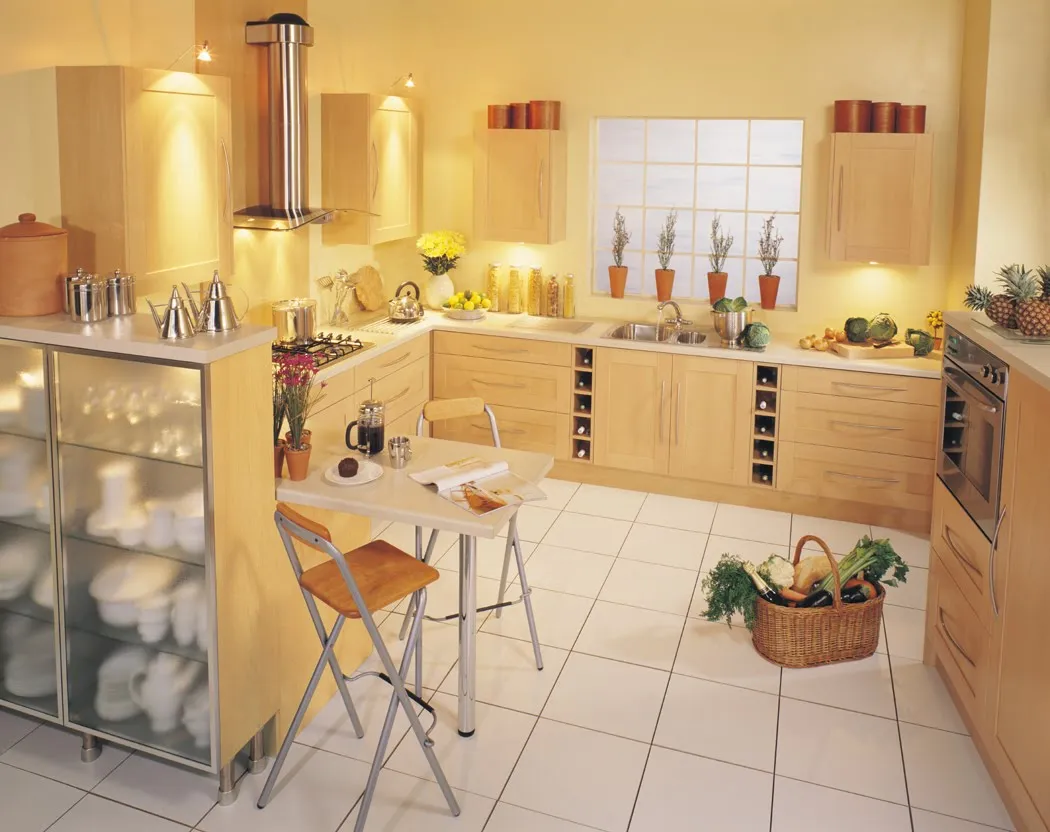
7 Kitchen Decor Tips You Need to Know
Transforming your kitchen into a stylish and functional space doesn’t have to be a daunting task. With a few smart design choices and some thoughtful planning, you can create a kitchen that you love spending time in. This guide provides you with seven essential tips to elevate your kitchen decor, from optimizing layout and choosing the right color palette to selecting stylish storage and incorporating decorative accents. Each tip offers practical advice and inspiration to help you create a kitchen that reflects your personal style and meets your everyday needs. Get ready to discover the secrets to a beautifully designed and inviting kitchen.
Tip 1: Optimize Your Kitchen Layout
The foundation of any well-designed kitchen is a functional layout. A poorly planned layout can make cooking and food preparation frustrating, while a well-designed space can streamline your workflow and enhance your overall kitchen experience. Consider the placement of your appliances, the flow of traffic, and the available counter space. This involves evaluating the kitchen triangle (sink, stove, and refrigerator) and ensuring easy access to these key areas. A good layout will also incorporate sufficient workspace and storage to meet your needs. Remember to plan for traffic flow, ensuring that walkways are wide enough for comfortable movement. With the right layout, your kitchen becomes an efficient and enjoyable space.
Maximize Counter Space

Counter space is a precious commodity in the kitchen, and maximizing it is essential for comfortable cooking and food preparation. Start by decluttering your counters, removing appliances and items that aren’t used daily. Utilize vertical space with shelves or wall-mounted organizers to keep essentials within reach without cluttering your countertops. If possible, incorporate an island or peninsula to increase your workspace and storage. Consider using a cutting board that fits over your sink to create temporary extra counter space when needed. Keep frequently used items, such as a coffee maker or toaster, in an accessible location, but store them away when not in use. Good organization and efficient use of available space are key to keeping your counters clear and functional.
Consider the Kitchen Triangle
The kitchen triangle is a fundamental design concept that optimizes the flow of your kitchen. It connects the three primary work areas – the sink, the stove, and the refrigerator – forming a triangle. This design minimizes the distance you need to walk between these essential areas during meal preparation. Ideally, the total distance of the three sides of the triangle should be between 12 and 26 feet. Avoid placing obstacles, such as islands or cabinets, in the path of the triangle to ensure easy movement. Consider the placement of each appliance; the sink should be near the refrigerator for food preparation, the stove should be accessible for cooking, and the refrigerator should be located conveniently for easy access. Following the kitchen triangle principle can significantly improve the efficiency and functionality of your kitchen.
Tip 2: Choose the Right Color Palette
Color plays a crucial role in setting the mood and style of your kitchen. The right color palette can make your kitchen feel more spacious, inviting, and reflective of your personal taste. When choosing colors, consider the size of your kitchen, the amount of natural light it receives, and the overall style you want to achieve. Lighter colors, such as whites, creams, and soft grays, can make a small kitchen appear larger and brighter. Warmer colors, like yellows and oranges, can create a cozy and inviting atmosphere. Experiment with different color combinations to find the perfect match for your space and personality. Consider incorporating accent colors through accessories or small appliances to add visual interest and personality. The right color palette can transform your kitchen into a space you love.
The Psychology of Colors in the Kitchen

Colors have a profound impact on our emotions and behaviors, and this is especially true in the kitchen, where we spend a significant amount of time. Understanding the psychology of colors can help you make informed decisions about your kitchen decor. For instance, blue is often associated with calmness and tranquility, making it a great choice for a relaxing kitchen environment. However, too much blue can make a space feel cold, so consider using it in combination with warmer tones. Yellow is known to stimulate appetite and create a cheerful atmosphere, making it a good choice for social kitchens. Green promotes a sense of harmony and health, which is perfect for a space where food is prepared and enjoyed. Choosing colors based on their psychological effects can help you create a kitchen that is both aesthetically pleasing and emotionally satisfying.
Popular Kitchen Color Schemes
Choosing a popular color scheme is an excellent way to ensure your kitchen is both stylish and timeless. Classic combinations like white and gray are always a safe bet, offering a clean and modern aesthetic that is easy to personalize with accent colors. For a more contemporary look, consider pairing navy blue with brass accents or incorporating shades of green with natural wood tones. If you prefer a warmer vibe, try earthy tones like beige, taupe, or soft browns, which create a cozy and inviting atmosphere. Remember to consider the style of your kitchen and the amount of natural light when selecting your color scheme. Researching the latest trends and popular combinations can provide great inspiration and help you create a kitchen that is both fashionable and functional.
Tip 3: Select Functional and Stylish Storage
Effective storage is key to a well-organized and functional kitchen. Smart storage solutions not only keep your kitchen tidy but also make cooking and meal preparation more efficient. When choosing storage, consider your specific needs and the items you frequently use. Maximize space with cabinets that reach the ceiling, and opt for drawers instead of shelves whenever possible, as they offer easier access to your items. Explore creative options like pull-out pantries, corner cabinet organizers, and spice racks to make the most of every available inch. The right storage solutions can make your kitchen a more efficient and enjoyable place to cook and entertain. By focusing on functionality and style, you can create a kitchen that is both practical and aesthetically pleasing.
Open Shelving Ideas

Open shelving is a stylish and practical storage solution that can enhance the aesthetic appeal of your kitchen. It allows you to display your favorite dishes, cookbooks, and decorative items while keeping frequently used items within easy reach. When incorporating open shelving, consider the placement; it works well in areas where you want to add visual interest or in spaces where upper cabinets might feel overwhelming. Choose shelves made from durable materials, such as wood or metal, that complement your kitchen’s design. Style your shelves carefully, grouping similar items together and using a mix of functional and decorative elements. Be mindful of dust and keep your shelves organized to maintain a clean and attractive look. Open shelving can add character to your kitchen while providing easy access to essentials.
Innovative Pantry Solutions
A well-organized pantry is a must-have for any functional kitchen. Innovative pantry solutions can help you maximize space, keep your groceries organized, and reduce food waste. Consider installing pull-out pantry shelves or drawers, which allow you to easily access items at the back of your pantry. Use clear containers to store dry goods, such as pasta, rice, and cereals, making it easier to see what you have on hand. Label your containers to keep everything organized and to avoid duplicate purchases. Take advantage of vertical space by adding shelving to the inside of your pantry door or using stackable containers. Proper pantry organization not only keeps your kitchen tidy but also saves you time and money by helping you manage your food inventory effectively. A well-designed pantry makes meal planning and preparation much more efficient.
Tip 4: Invest in Quality Lighting
Lighting is a crucial element in kitchen design, influencing both the functionality and the ambiance of the space. Good lighting can enhance the look of your kitchen, make it safer for food preparation, and create a welcoming atmosphere. The best kitchen lighting incorporates multiple layers: ambient lighting (general lighting for the entire room), task lighting (focused lighting for work areas like the countertop and the stove), and accent lighting (used to highlight specific features or create mood). Invest in high-quality light fixtures that complement your kitchen’s style and provide adequate illumination. Consider the color temperature of your bulbs; warmer light creates a cozy feel, while cooler light is better for task-oriented activities. By strategically layering your lighting, you can create a kitchen that is both functional and beautiful.
Layering Kitchen Lighting

Layering your kitchen lighting involves combining different types of lights to achieve optimal illumination and ambiance. Start with ambient lighting, which provides general illumination throughout the space. Recessed lights, pendant lights, and flush-mount fixtures are common choices for ambient lighting. Next, incorporate task lighting in specific work areas, such as under-cabinet lights to illuminate countertops or pendant lights over an island. Finally, use accent lighting to highlight architectural features or decorative elements. For example, you can use track lighting to showcase artwork or install lights inside glass-fronted cabinets. Layering your lighting allows you to customize the light levels for different activities and create a versatile and inviting kitchen environment. Proper layering enhances functionality and aesthetic appeal.
Types of Kitchen Lighting
There are various types of lighting fixtures that can be used in your kitchen, each serving a specific purpose. Recessed lighting is a popular choice for ambient lighting, providing a clean and modern look. Pendant lights are ideal for task lighting over islands or breakfast bars, offering both functionality and style. Under-cabinet lights illuminate countertops, making food preparation easier and safer. Track lighting is versatile, allowing you to direct light where you need it most. Chandeliers can add a touch of elegance, while sconces can be used for accent lighting. When selecting lighting fixtures, consider the style of your kitchen and the level of illumination needed for each area. Also, think about energy efficiency and choose LED bulbs to save money and reduce your environmental impact. The right combination of lighting fixtures will transform your kitchen.
Tip 5: Incorporate Decorative Accents
Decorative accents are the finishing touches that add personality and style to your kitchen. These small but significant elements can transform a functional space into a visually appealing and inviting area. Consider adding artwork, plants, or decorative objects to create visual interest and reflect your personal taste. The key is to choose accents that complement your overall kitchen design and add a touch of warmth and character. Don’t be afraid to experiment with different textures, colors, and patterns to create a space that feels uniquely yours. When selecting accents, ensure they are functional and aesthetically pleasing, adding both beauty and practicality to your kitchen. Decorative accents allow you to personalize your kitchen and reflect your unique style.
Adding Plants and Greenery

Adding plants and greenery is a simple and effective way to bring life and freshness to your kitchen. Plants not only add visual appeal but also help purify the air and create a more welcoming atmosphere. Consider incorporating a variety of plants, such as herbs, small potted plants, or even a larger indoor tree, depending on your space and lighting conditions. Herbs like basil, mint, and rosemary are not only decorative but also provide fresh ingredients for cooking. Place plants on countertops, shelves, or windowsills to add a touch of nature to your kitchen. When choosing plants, consider their light and water requirements to ensure they thrive. The presence of plants can significantly enhance the overall ambiance of your kitchen, making it feel more inviting and connected to nature.
Choosing the Right Artwork
Artwork can add personality, color, and style to your kitchen, transforming it into a space that reflects your unique taste. When choosing artwork, consider the overall style of your kitchen and the colors you want to incorporate. Choose pieces that resonate with you and complement the existing decor. Artwork can range from framed prints and paintings to wall sculptures or even a gallery wall of smaller pieces. Consider the size and placement of your artwork; choose pieces that are proportional to your wall space and hang them at eye level. Artwork can add visual interest and create a focal point in your kitchen. Consider the theme of your artwork, whether it’s abstract art, landscapes, or food-related images, which all will enhance the overall aesthetic of your space. Carefully chosen artwork can make your kitchen a more inviting and personalized space.
Tip 6: Upgrade Your Hardware
Upgrading your kitchen hardware is a cost-effective way to refresh the look of your cabinets and drawers. New knobs, pulls, and handles can instantly update your kitchen’s style and add a touch of personality. When selecting hardware, consider the overall design of your kitchen and choose materials and finishes that complement your existing decor. From sleek, modern pulls to classic, ornate knobs, there are endless options to choose from. The hardware you select can make a significant difference in the overall appearance of your kitchen, so take the time to explore your options. Consider the finish of your hardware; popular choices include brushed nickel, matte black, brass, and oil-rubbed bronze. Upgrading your hardware is a small change that can make a big impact on your kitchen’s overall look and feel.
Knobs and Pulls

Knobs and pulls are essential elements of your kitchen cabinetry, and choosing the right ones can elevate your kitchen’s style. Knobs are generally preferred for upper cabinets, while pulls are often used on lower cabinets and drawers for easier access. When selecting knobs and pulls, consider the style of your kitchen and choose designs that complement your cabinets and countertops. For a modern look, opt for sleek, minimalist pulls, while for a traditional kitchen, consider ornate knobs with intricate details. The material and finish of your hardware can also influence the overall aesthetic. Consider mixing and matching different hardware styles to add visual interest and create a unique look. Changing your knobs and pulls is a simple way to add a touch of personality to your kitchen and make it feel new.
Faucet and Sink Upgrades
Upgrading your faucet and sink can dramatically improve the functionality and appearance of your kitchen. A new faucet can enhance your kitchen’s style while providing better functionality. Consider features like a pull-down sprayer for easy cleaning and a single-handle design for convenience. Choose a faucet that complements your kitchen’s overall design, whether it’s a modern, sleek design or a classic, traditional style. The sink is another important element; a larger sink with a deep basin can make washing dishes and preparing food easier. Consider the material of your sink, which can range from stainless steel to cast iron to composite materials. A stylish and functional faucet and sink can make your kitchen more efficient and visually appealing. Upgrading these fixtures is a great way to give your kitchen a fresh new look.
Tip 7: Don’t Forget the Details
The details in your kitchen can make a big difference in creating a cohesive and stylish space. From window treatments to area rugs, these small elements can add personality and complete the overall design. Choosing the right details can transform your kitchen and make it more functional and aesthetically pleasing. Consider incorporating patterns, colors, and textures through these details to add visual interest and complement your overall design scheme. Focusing on these often-overlooked details can elevate your kitchen from a basic functional space to a stylish and inviting environment. These final touches are what give your kitchen its unique character and make it feel truly yours.
Window Treatments

Window treatments not only add privacy and light control but also contribute to the overall aesthetic of your kitchen. Choose window treatments that complement your kitchen’s style and provide the functionality you need. Consider the amount of natural light you want to let in and the level of privacy you require. Curtains, blinds, and shades are all excellent choices, offering a variety of styles and options. Sheer curtains allow natural light to filter through, while blinds and shades offer more light control and privacy. The fabric, color, and pattern of your window treatments should harmonize with the other elements in your kitchen. Choose materials that are easy to clean and maintain, especially in a kitchen environment. The right window treatments can enhance the appearance of your kitchen and make it more functional and enjoyable.
Area Rugs
Area rugs can add warmth, style, and functionality to your kitchen. They can define different zones, provide a soft surface underfoot, and introduce color and pattern into your space. When choosing an area rug, consider the size and shape of your kitchen and the placement of your cabinets and appliances. Choose a rug made from durable materials, such as polypropylene or wool, that can withstand high traffic and spills. Consider the design and color of your rug; it should complement your kitchen’s overall style and color scheme. Area rugs can enhance the comfort of your kitchen and protect your floors from scratches and damage. A well-chosen area rug can make your kitchen feel more inviting and add a touch of personality and style.