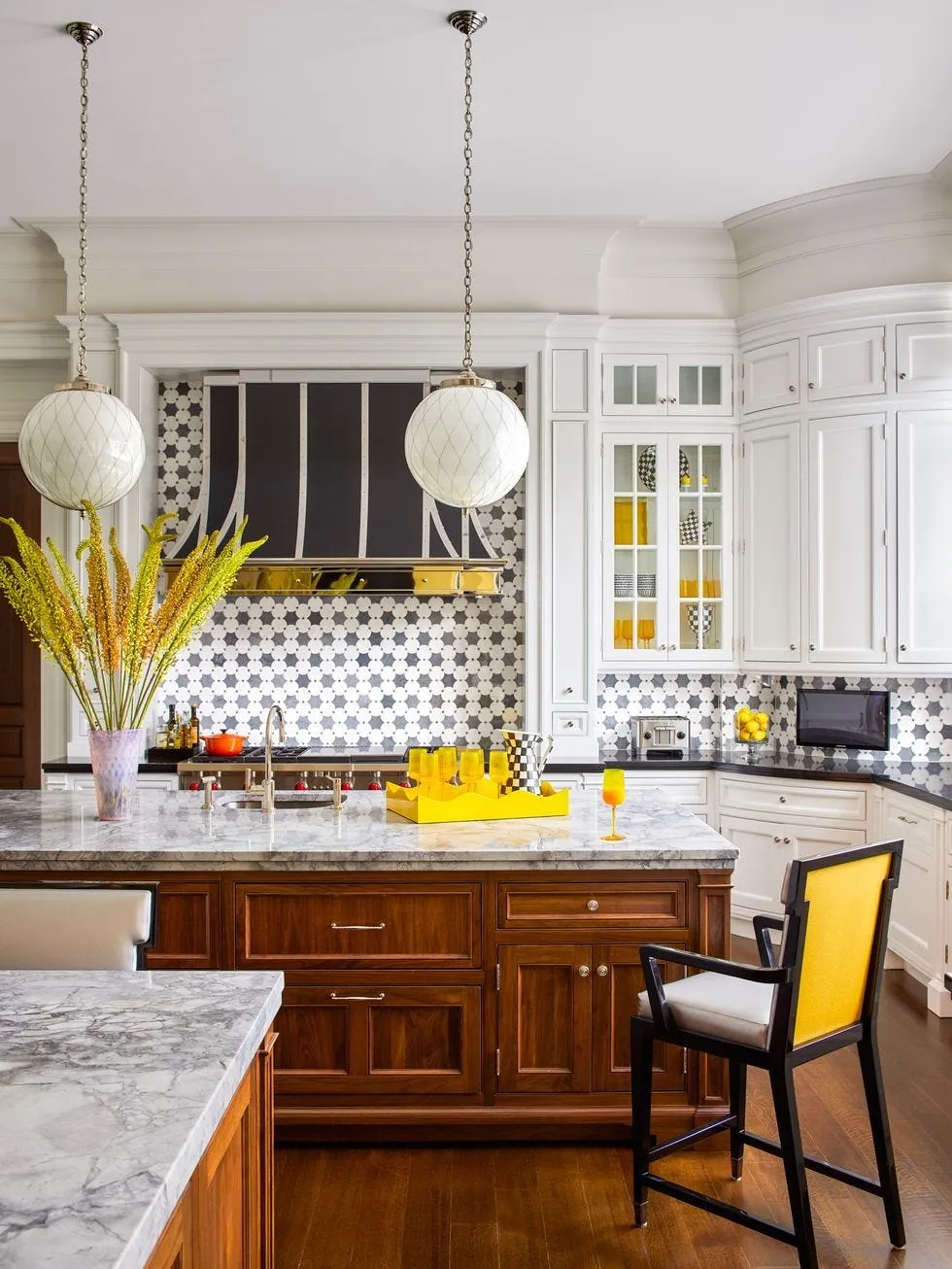
Choosing the Right Light Kitchen Decor
Light kitchen decor is all about creating a space that feels open, airy, and inviting. It’s a design approach that emphasizes brightness, often achieved through a combination of light colors, ample natural light, and strategic use of artificial lighting. When you’re aiming for a light and bright kitchen, the choices you make in terms of color palette, materials, and lighting fixtures are crucial. Consider the overall aesthetic you want to achieve – do you lean towards minimalist, modern, or something more traditional? Understanding your personal style will guide your decisions and ensure a cohesive and harmonious design. This will set the stage for a kitchen that not only looks beautiful but also functions efficiently and feels comfortable to spend time in.
The Power of White in Light Kitchen Decor
White is the quintessential color for light kitchen decor, and for good reason. It reflects light, making the space appear larger and brighter. It’s also a versatile choice, serving as a neutral backdrop that allows other design elements to shine. However, working with white doesn’t mean your kitchen has to be sterile or boring. There are many shades of white, from warm whites with yellow undertones to cool whites with blue or gray undertones. Choosing the right shade of white depends on the amount of natural light your kitchen receives, as well as your personal preferences. Consider the warmth of the space to find the white that will complement it.
White Paint Selection

Selecting the right white paint for your kitchen walls can transform the entire atmosphere of the room. The finish of the paint is also important. Matte finishes are great for hiding imperfections, while satin or eggshell finishes are more durable and easier to clean, which is crucial for a kitchen environment. Before committing to a full application, test different shades of white in various areas of your kitchen throughout the day to observe how the light affects them. This will help you make an informed decision and ensure that the final result complements your overall design and enhances the brightness of your kitchen.
White Cabinetry Styles
White cabinetry is a cornerstone of light kitchen decor, offering a clean and timeless look. You have a variety of styles to choose from, including shaker, flat-panel, and raised-panel doors. Shaker cabinets, with their simple, recessed panels, are a popular choice for their versatility and ability to blend seamlessly with different design styles. Flat-panel cabinets offer a sleek, modern appearance, while raised-panel cabinets provide a more traditional and ornate look. The hardware you select for your cabinets – handles, knobs, and pulls – can further enhance the overall aesthetic. Consider the material, finish, and style of the hardware to ensure it complements the cabinets and other design elements in your kitchen. White cabinetry not only brightens the space but also provides a versatile foundation for incorporating other colors and textures through accessories, countertops, and backsplashes.
Adding Pops of Color
While white forms the foundation of light kitchen decor, incorporating pops of color can inject personality and visual interest. This is where you can express your creativity and add a touch of uniqueness to your kitchen. Introduce color through accessories such as dish towels, and small appliances. Consider adding colorful artwork or decorative items on countertops or open shelving. Another way to introduce color is through the backsplash. A colorful backsplash can serve as a focal point, adding visual depth and dimension to the space. When selecting colors, consider the overall mood you want to create – bold and vibrant or subtle and calming. The key is to balance the pops of color with the existing white elements to maintain a sense of lightness and brightness.
Using Natural Light to Your Advantage

Maximize natural light to instantly brighten your kitchen. This is one of the most effective ways to achieve the light kitchen decor aesthetic. The amount of sunlight your kitchen receives plays a significant role in the overall atmosphere of the space. Start by ensuring your windows are clean and unobstructed. Trim back any trees or bushes that may be blocking light from entering. If possible, avoid heavy window treatments that can block sunlight. Instead, opt for sheer curtains or light-filtering blinds that allow natural light to filter into the room while still providing privacy. Natural light not only makes a space brighter but also creates a sense of spaciousness and vitality. The more natural light you can bring into your kitchen, the more open and welcoming it will feel.
Maximizing Windows and Mirrors
In addition to keeping windows clear, consider maximizing the impact of natural light with mirrors. Mirrors can be strategically placed to reflect light and create the illusion of more space. A mirror on a wall opposite a window will instantly double the amount of light in the room. Even smaller mirrors can be used as decorative elements to reflect light and add visual interest. Think about the placement and size of mirrors to ensure they complement the design of your kitchen and enhance the overall sense of light and space. Mirrors are a simple yet effective way to transform your kitchen into a brighter and more inviting space.
Lighting Fixtures that Enhance Decor
Strategic lighting is essential in light kitchen decor, especially when natural light is limited. Consider the type of lighting that best suits your needs and design preferences. Recessed lighting provides general illumination, while pendant lights over the island can create a focal point and provide task lighting. Under-cabinet lighting is another excellent option, as it illuminates countertops and adds a soft glow to the space. When selecting lighting fixtures, consider the style and finish to ensure they complement your overall design. Incorporate dimmer switches to allow you to adjust the brightness and create different moods depending on the time of day and the task at hand. The right combination of lighting fixtures can transform your kitchen into a bright, functional, and visually appealing space.
Layering Your Lighting

Layering your lighting involves combining different types of lighting to create a well-lit and functional kitchen. Start with ambient lighting – the general lighting in the room, often provided by recessed lights or a central fixture. Then, add task lighting, which is focused lighting for specific activities such as food preparation, cooking, and cleaning. This can include under-cabinet lights, pendant lights, or spotlights. Finally, incorporate accent lighting to highlight specific design features or create a warm atmosphere. This could include lights inside cabinets or strategically placed spotlights. By layering different types of lighting, you can create a kitchen that is not only well-lit but also visually appealing and tailored to your specific needs.
Selecting the Right Fixtures
The style and finish of your lighting fixtures can significantly impact the overall aesthetic of your kitchen. Consider the size and scale of your fixtures in relation to the space. If you have a large kitchen, you may want to choose larger fixtures to create a bold statement. In a smaller kitchen, smaller, more delicate fixtures may be a better choice. The finish of your fixtures – such as brushed nickel, brass, or matte black – should complement your overall design scheme. Choose a finish that aligns with your style and the other hardware in your kitchen. The right lighting fixtures not only provide illumination but also add personality and visual interest to your light kitchen decor.
Accessorizing Your Kitchen
Accessories are the final touches that can elevate your light kitchen decor. They add personality and charm, making your kitchen feel more inviting and lived-in. When choosing accessories, think about color, texture, and functionality. Choose items that complement your overall design scheme and add visual interest without cluttering the space. Add decorative items, like a vase of fresh flowers or a stylish utensil holder. Consider adding open shelving to display decorative items or frequently used ingredients. The key is to choose accessories that reflect your personal style and make your kitchen a space you love to spend time in.
Choosing the Right Accessories

Select accessories that are both stylish and functional. Consider items that serve a purpose, such as a cutting board, a utensil holder, or a set of mixing bowls. Choose accessories that add color, texture, or pattern to your kitchen. This could include a colorful rug, decorative canisters, or a patterned dish towel. Think about the materials and finishes of your accessories and how they coordinate with the other design elements in your kitchen. Ensure that the accessories reflect your personal style and make your kitchen feel like a true reflection of you.
Incorporating Plants
Incorporating plants is a simple yet effective way to add life and freshness to your light kitchen decor. Plants not only add a touch of greenery but also purify the air and create a more welcoming atmosphere. Choose plants that thrive in kitchen environments, such as herbs, succulents, or small flowering plants. Place them on countertops, windowsills, or open shelving. The addition of plants can infuse your kitchen with a sense of vitality and freshness, making it a more enjoyable place to cook, eat, and gather.
Creating a Cohesive Design
Creating a cohesive design is about ensuring that all the elements in your kitchen work together harmoniously. This means paying attention to color, texture, style, and functionality. Start by establishing a color palette and sticking to it. Use this palette as a guide for selecting paint colors, cabinetry, countertops, and accessories. Consider the textures and materials you incorporate into your design. Mix smooth and rough textures to add visual interest. Choose materials that are durable and easy to clean, given the kitchen environment. Think about the overall style of your kitchen. Is it modern, traditional, or something in between? Choose design elements that align with your desired style and create a consistent aesthetic.
The Importance of Flow and Functionality

In addition to aesthetics, flow and functionality are essential considerations. Ensure that your kitchen layout is efficient and makes it easy to move around. The placement of your appliances and work zones should align with the way you cook and prepare food. Make sure there’s ample counter space for food preparation. Incorporate storage solutions to keep your kitchen organized and clutter-free. Consider the placement of your lighting fixtures to ensure they provide adequate illumination in all work areas. A well-designed kitchen is both beautiful and functional, making it a pleasure to use every day. The ideal light kitchen decor creates an inviting space where you can enjoy cooking, entertaining, and spending time with loved ones.