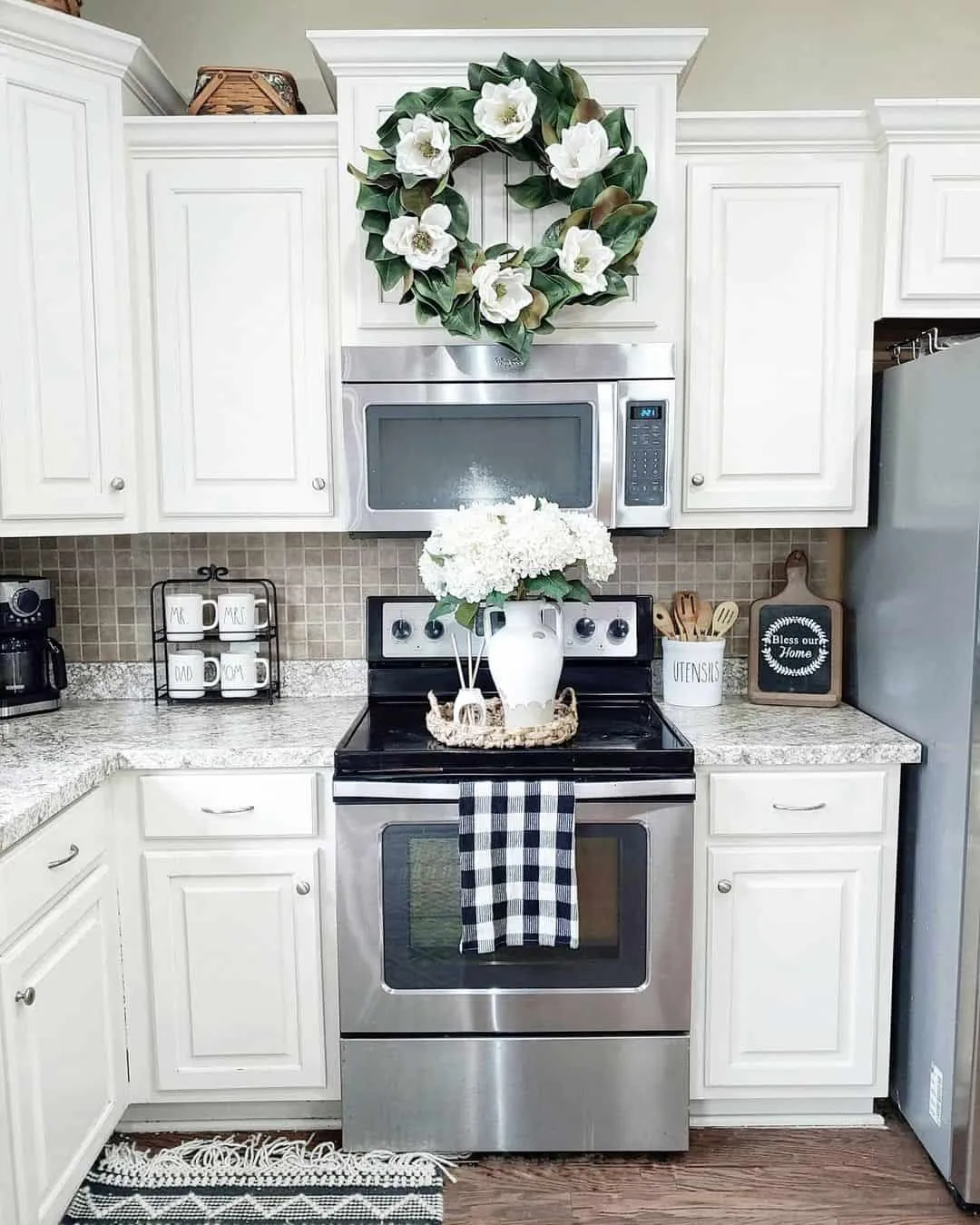
Understanding Modern Kitchen Decor
Modern kitchen decor is defined by its clean lines, minimalist approach, and emphasis on functionality. It’s a style that favors simplicity, uncluttered spaces, and a sense of airiness. The goal is to create a kitchen that is both visually appealing and highly efficient, a space that reflects a contemporary lifestyle while being a joy to use. This guide will walk you through the essential elements of modern kitchen design, with a specific focus on black and white palettes, offering you a comprehensive understanding of how to achieve this stylish and functional look in your own home. By embracing the core principles of modern design, you can transform your kitchen into a sleek and sophisticated space that reflects your personal taste and enhances your daily living experience.
The Essence of Modern Design
The essence of modern design lies in its focus on simplicity and functionality. This design philosophy rejects excessive ornamentation in favor of clean lines, smooth surfaces, and a lack of clutter. Open-concept layouts, efficient storage solutions, and the strategic use of light are hallmarks of modern kitchens. Materials often include sleek metals, glass, and high-gloss finishes, contributing to a contemporary aesthetic. Understanding these core principles is essential for successfully implementing a modern kitchen decor. By prioritizing these elements, you can create a space that feels both spacious and inviting, while also being exceptionally practical for everyday use.
Key Characteristics

Key characteristics of modern kitchens include sleek cabinetry with flat-panel doors, minimalist hardware, and a focus on horizontal lines. The use of integrated appliances helps to maintain a seamless and uncluttered look. The absence of ornate details, such as crown molding or decorative carvings, further emphasizes the streamlined aesthetic. Lighting plays a crucial role, with a combination of recessed lighting, pendant lights, and under-cabinet lighting used to create a well-lit and inviting space. These features work together to create a kitchen that is both stylish and functional, reflecting the modern lifestyle’s emphasis on simplicity and efficiency. Functionality must be a core principle.
Black and White Palette
The black and white color palette is a cornerstone of modern kitchen design, offering a timeless and sophisticated look. This classic combination provides a strong contrast, allowing for visual interest and a sense of drama. White is often used for walls, cabinets, and countertops to create a bright and airy feel, while black is incorporated through accent pieces, hardware, or appliances to add depth and definition. The interplay between these two colors can be further enhanced with the use of different textures and finishes. This palette creates a sophisticated and visually striking space, a testament to the enduring appeal of this design approach. The contrast creates visual interest and makes a bold statement.
Planning Your Modern Kitchen
Planning your modern kitchen involves a thoughtful approach that considers both aesthetics and functionality. This process should begin with a clear vision of your needs and preferences, followed by careful consideration of space, layout, and budget. Researching different design options, materials, and appliances is essential to make informed decisions. Consulting with a kitchen designer can provide valuable expertise and help to create a cohesive and efficient design. Careful planning ensures the final result is a space that is both beautiful and perfectly suited to your lifestyle.
Space Assessment

Begin by accurately measuring your kitchen space and documenting all architectural features, such as windows, doors, and existing appliances. Consider the overall layout and how it functions in relation to the rest of your home. This initial assessment will help you determine the available space and identify any limitations or opportunities. Think about traffic flow, work zones, and storage requirements. Accurate measurements and a clear understanding of your kitchen’s layout are the foundation for a successful design. This will enable you to make informed decisions and maximize the efficiency of your space.
Defining Your Needs
Before you start, it is essential to define how you intend to use your kitchen. Consider your cooking habits, entertaining needs, and the size of your household. This will inform your decisions about appliances, storage solutions, and the overall layout. Determine what activities you want the kitchen to accommodate, whether it is casual dining, meal prep, or social gatherings. This will determine appliance needs and storage, such as pantry space. Understanding your kitchen needs helps you create a space that is tailored to your lifestyle. This ensures that your kitchen is not only aesthetically pleasing but also highly practical.
The Color Scheme
As mentioned, a black and white palette is a classic choice for modern kitchens, offering versatility and sophistication. You can use white on walls and cabinets to create a sense of spaciousness and light, then incorporate black through countertops, backsplashes, or appliances. The contrast will define the space. Consider introducing gray to soften the contrast. Experiment with different finishes, such as glossy or matte surfaces, to add visual interest. The key is to strike a balance between the two colors, creating a harmonious and visually appealing space. The color choice will set the stage and set the mood of your kitchen.
Choosing the Right Furniture

Furniture choices in a modern kitchen should align with the clean lines and minimalist aesthetic of the design. Select furniture that is simple, functional, and complementary to your chosen color scheme. Consider the materials, such as wood, metal, or glass, and how they contribute to the overall look and feel of the space. The furniture should not overcrowd the space. The furniture should be both functional and visually appealing.
Cabinets and Countertops
Cabinets and countertops are key elements in a modern kitchen. Cabinets with flat-panel doors and concealed hardware are ideal for maintaining a sleek and uncluttered look. For countertops, consider materials like quartz, granite, or solid surfaces in either white or black, depending on your preference. Integrate the kitchen and the countertops. Choosing durable and easy-to-clean materials is essential. The right cabinets and countertops will define the kitchen’s aesthetic. Prioritize both aesthetics and practicality when making your selections.
Appliances and Hardware
Choose stainless steel appliances for a sleek, modern look. Integrate appliances to maintain a seamless design. Select hardware that complements the cabinetry, such as brushed nickel or chrome pulls. Ensure that all appliances and hardware fit well in terms of function and design. The appliances should match the overall style of the kitchen. Functionality, style and design play a critical role in a modern kitchen.
Adding the Finishing Touches

The finishing touches are crucial for completing the look of your modern kitchen and adding personality to the space. Accessories, lighting, and textiles can be strategically selected to enhance the overall aesthetic and functionality of the kitchen. Incorporate elements that reflect your personal style while maintaining the clean and uncluttered feel of modern design.
Lighting Fixtures
Lighting is a key element in modern kitchen design, setting the mood and enhancing functionality. Use a combination of recessed lighting for ambient lighting, pendant lights over the island or breakfast bar for task lighting, and under-cabinet lighting to illuminate workspaces. Choose fixtures with clean lines and a minimalist aesthetic. LED lighting is a great option for energy efficiency and flexibility. Layering different types of lighting ensures that your kitchen is both well-lit and visually appealing.
Decorative Accessories
Select decorative accessories that are functional and aesthetically pleasing. Choose items with clean lines and a minimalist design, such as simple vases, modern art, or stylish kitchen utensils. Keep the number of accessories to a minimum to avoid clutter. Introduce pops of color or texture to add visual interest, but be careful not to overwhelm the space. Accessories should complement the overall aesthetic of the kitchen and reflect your personal style. Less is often more, so choose items that add value without creating visual distraction.
Textiles and Soft Furnishings

Incorporate textiles and soft furnishings, such as curtains, rugs, and seat cushions, to add warmth and texture. Choose materials that are durable, easy to clean, and complementary to the color scheme. A small rug can define the dining area, and curtains or blinds can control the amount of natural light. These elements add personality to the space. Select fabrics that align with the design while enhancing comfort and functionality. Select fabrics and textiles that complement the color scheme, and add some personality to the kitchen.
Conclusion
Creating a modern kitchen is a rewarding project that combines aesthetic appeal with functional design. By following these guidelines, you can transform your kitchen into a stylish and efficient space. From understanding the core principles of modern design to carefully selecting your color palette, furniture, and finishing touches, each decision contributes to the overall look and feel of your space. Embrace simplicity, clean lines, and functionality to create a kitchen that you will enjoy for years to come. With careful planning and attention to detail, you can create a modern kitchen that truly reflects your personal style and enhances your daily living experience. Remember to prioritize your needs and preferences to ensure that your new kitchen is a perfect fit for your lifestyle.