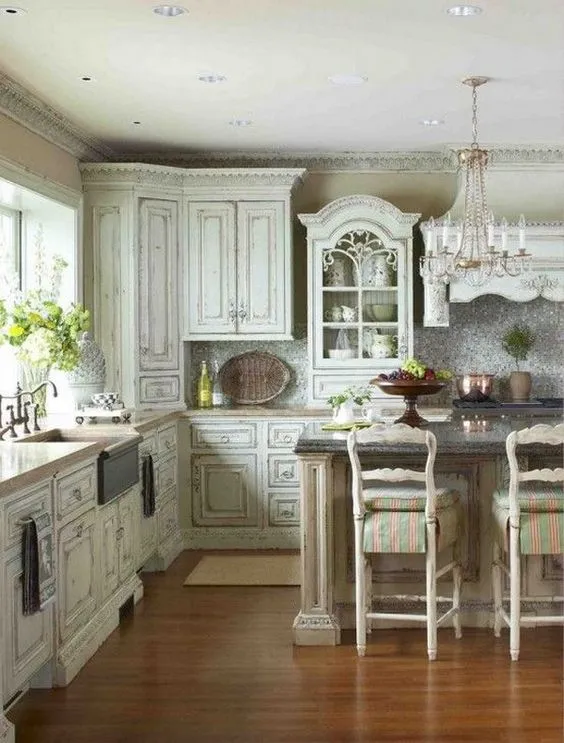
Understanding Shabby Kitchen Decor
Shabby kitchen decor is a charming and inviting style that emphasizes a lived-in, comfortable aesthetic. It’s all about embracing imperfections, celebrating the beauty of age, and creating a space that feels both stylish and effortlessly relaxed. This guide, “Shabby Kitchen Decor 101 How to Get Started,” will provide you with the essential knowledge and inspiration to transform your kitchen into a cozy haven. The core of shabby kitchen decor lies in its ability to blend vintage elements with modern functionality, resulting in a space that feels both nostalgic and practical. It is a style that is as much about the feeling it evokes as it is about the specific items used. The goal is to create a kitchen that feels like it has evolved over time, with pieces collected and curated with love.
Defining Shabby Chic Style
Shabby chic is a design aesthetic that embraces the beauty of imperfection. It’s characterized by distressed furniture, soft color palettes, and a mix of vintage and antique finds. The style often incorporates elements of French country, farmhouse, and cottage styles, creating a warm and inviting atmosphere. It’s a celebration of the past, with a focus on reusing and repurposing items to give them a new life. The shabby chic aesthetic is all about creating a space that feels lived-in and loved, with a sense of history and character. The term “shabby” refers to the slightly worn appearance of the furniture and decor, while “chic” adds a touch of elegance and sophistication.
Key Characteristics of Shabby Decor

Several key characteristics define the shabby kitchen style. Distressed furniture is a hallmark, often featuring chipped paint, exposed wood, and a timeworn look. Soft, muted color palettes, such as whites, creams, pastels, and soft grays, create a calming and inviting atmosphere. Vintage and antique accents, including old kitchen utensils, enamelware, and repurposed items, add character and personality. Textiles like linen, cotton, and lace are frequently used for curtains, tablecloths, and cushions, adding softness and texture. Finally, natural elements, such as flowers, herbs, and wooden accents, bring a touch of the outdoors inside, completing the shabby chic look. These elements work together to create a space that feels comfortable, inviting, and full of charm.
Planning Your Shabby Kitchen
Before diving into the decorating process, careful planning is essential. This includes assessing your existing space, setting a budget, and defining your personal style preferences. Thoughtful planning ensures a cohesive and successful transformation, avoiding costly mistakes and ensuring that your kitchen reflects your unique taste and needs. The planning stage is where you lay the groundwork for a functional and aesthetically pleasing space. Taking the time to plan will make the entire process smoother and more enjoyable, resulting in a kitchen you’ll love for years to come. Consider the layout, the existing architectural features, and the amount of natural light your kitchen receives.
Assessing Your Space
Start by evaluating your current kitchen. Take inventory of your existing furniture, appliances, and architectural features. Consider the size and layout of your kitchen, the amount of natural light, and the existing color scheme. Identify any elements that you want to keep, update, or replace. This assessment helps you understand the possibilities and limitations of your space, allowing you to make informed decisions about your design. Also, think about the functionality of your kitchen and how the new decor will impact your daily routines. Consider the flow of the space and how you use it for cooking, dining, and entertaining. A thorough assessment will inform your design choices and help you create a kitchen that is both beautiful and practical.
Budgeting for Your Decor

Determine a realistic budget for your shabby kitchen transformation. Consider the cost of furniture, paint, accessories, and any necessary renovations. Prioritize your spending, focusing on the items that will have the biggest impact on the overall aesthetic. Explore budget-friendly options like thrift stores, antique shops, and DIY projects. Setting a budget helps you manage your expenses and avoid overspending. Research the prices of different items and materials to get a clear understanding of the costs involved. Remember to allocate a contingency fund for unexpected expenses. With careful budgeting, you can achieve a beautiful shabby kitchen without breaking the bank.
Sourcing Shabby Kitchen Elements
Finding the right elements is crucial to achieving the shabby kitchen look. This involves sourcing furniture, choosing a suitable color palette, and selecting accessories that complement the style. Where you source these items will greatly impact your final result and the overall cost of your project. The key is to find pieces that reflect the charm and character of the shabby chic aesthetic while staying true to your personal taste. Look for items that have a story to tell, and don’t be afraid to mix and match different styles and eras.
Furniture Selection
Focus on furniture with a timeworn appearance, such as distressed cabinets, a farmhouse-style table, and vintage chairs. Look for pieces with character, like those with original hardware or paint finishes. Thrift stores, antique shops, and flea markets are excellent sources for finding unique furniture items. Consider repurposing old pieces or refinishing them to achieve the desired shabby chic look. White or pastel-colored furniture is often used as a starting point. Pay attention to details like the legs, knobs, and overall silhouette of the furniture. These details will add to the charm and authenticity of your shabby kitchen.
Choosing Color Palettes

Opt for soft, muted colors to create a calming and inviting atmosphere. Whites, creams, pastels, and soft grays are popular choices. These colors provide a backdrop for the distressed furniture and vintage accessories. Incorporate accent colors through accessories, such as pale blues, soft greens, and blush pinks. Experiment with different shades to find the palette that best suits your space and personal taste. Consider the amount of natural light in your kitchen when selecting colors. Lighter colors will make the space feel brighter and more open, while darker colors can create a cozy and intimate ambiance.
Selecting Accessories and Decor
Choose accessories that reflect the shabby chic aesthetic. This includes vintage kitchen utensils, enamelware, and repurposed items. Display open shelving with decorative plates, teacups, and vintage jars. Add fresh flowers, herbs, and candles to create a cozy and inviting atmosphere. Look for unique items that tell a story, such as old cookbooks, antique scales, and vintage photographs. Incorporate textiles like linen curtains, cotton tablecloths, and lace doilies to add softness and texture. These accessories will add personality and charm to your shabby kitchen.
Implementing Shabby Kitchen Decor
Once you have your furniture, color palette, and accessories, it’s time to implement your design. This involves applying painting and distressing techniques, as well as arranging furniture and accessories to create a cohesive look. Take your time, experiment with different arrangements, and don’t be afraid to make changes along the way. The goal is to create a kitchen that feels authentic and reflects your personal style. Take advantage of the inherent flexibility of the shabby chic style to make sure that your space feels unique and reflects your personal taste.
Painting and Distressing Techniques

If you’re refinishing your furniture, start by sanding the surface to remove any old paint or varnish. Apply a base coat of paint in your chosen color, followed by a top coat in a slightly different shade. Once the paint is dry, use sandpaper or a sanding block to distress the edges and surfaces of the furniture, creating a worn look. You can also use techniques like dry brushing or crackle paint to add texture and visual interest. For a truly authentic shabby look, consider leaving some of the original wood exposed. Practice distressing techniques on a small piece of furniture before applying them to larger items.
Arranging Furniture and Accessories
Arrange furniture and accessories to create a functional and aesthetically pleasing space. Position the furniture to maximize space and flow, considering how you use your kitchen. Place your vintage furniture to create focal points. Group similar items together, such as a collection of teacups or a display of vintage utensils. Add textiles like curtains and tablecloths to soften the space. Use open shelving to display your favorite decor pieces. Don’t be afraid to mix and match different styles and eras to create a unique and personalized look. The arrangement should feel balanced and inviting, encouraging comfort and creating a sense of warmth.
Maintaining Your Shabby Kitchen
Maintaining your shabby kitchen involves regular cleaning and care to keep the space looking its best. It also includes updating and refreshing your decor to keep the style fresh and exciting. Consistent care helps preserve the beauty of your furniture and decor, ensuring that your kitchen remains a welcoming and inspiring space for years to come. Simple routines can prevent damage, and periodic updates can prevent your kitchen from becoming stale.
Cleaning and Care Tips

Clean your distressed furniture regularly with a soft cloth and mild soap and water. Avoid using harsh chemicals or abrasive cleaners that could damage the finish. Dust your accessories and display items frequently to keep them looking their best. Wipe up spills immediately to prevent stains on your textiles and furniture. Clean your kitchen countertops and appliances regularly to maintain hygiene and cleanliness. Take care with your open shelving, dusting regularly to ensure it stays looking its best. Proper care will extend the life of your furnishings and decor.
Updating and Refreshing Your Decor
Periodically update your decor to keep your shabby kitchen looking fresh and exciting. Change out your accessories with the seasons, adding fresh flowers and seasonal accents. Rearrange your furniture and display items to create a new look. Add new textiles, such as cushions or curtains, to introduce new colors and patterns. Consider repainting an accent wall or a piece of furniture to give the space a fresh perspective. Updating your decor will keep your kitchen looking vibrant and inspire you to continue to enjoy the beauty of the space. Be mindful of your budget, and focus on small updates that make a big impact.