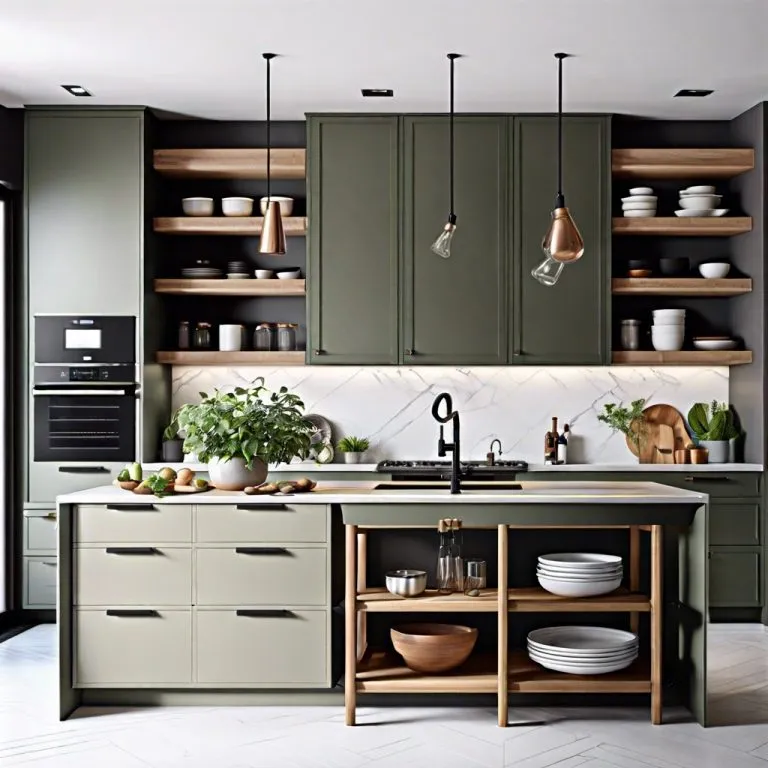
Living in a small space presents unique decorating challenges, but it also offers an exciting opportunity to get creative and maximize every square inch. With smart planning, thoughtful choices, and a bit of ingenuity, you can transform a cramped room into a stylish, functional, and comfortable haven. The key is to understand the specific challenges posed by limited space and to implement strategies that address those challenges effectively. This guide will explore various techniques and ideas to help you make the most of your small living area, turning it into a space you love.
Understanding Small Space Challenges
Before diving into decorating, it’s important to acknowledge the primary hurdles of small space living. These typically include limited floor area, which restricts the amount of furniture you can fit, and the tendency for small rooms to feel dark and enclosed. Overcoming these challenges requires a strategic approach that considers both the practical and aesthetic aspects of design. Every decision, from choosing furniture to selecting paint colors, should contribute to the overall goal of creating a sense of spaciousness and functionality.
Limited Space Problem
The most obvious challenge is the lack of space. This necessitates careful consideration of furniture size and placement. Bulky furniture can quickly overwhelm a small room, making it feel even smaller. It’s essential to opt for pieces that are appropriately scaled and to arrange them in a way that maximizes flow and minimizes visual clutter. Consider the function of each piece of furniture and whether it can serve multiple purposes to reduce the overall number of items needed.
Light and Color

Dark rooms can exacerbate the feeling of confinement. The right use of light and color can create an illusion of more space. Light, neutral colors on walls and ceilings reflect light, making the room feel brighter and more open. Strategically placed lighting fixtures, including floor lamps, table lamps, and overhead lights, can further enhance the brightness and create a welcoming atmosphere. Avoid dark paint colors on walls especially in small rooms.
Choosing the Right Furniture
Furniture selection is crucial in small space decor. The goal is to balance functionality with a sense of spaciousness. Prioritize pieces that are appropriately scaled to the room and that serve multiple functions. Consider furniture with clean lines and a streamlined design to avoid visual clutter. The materials and colors of the furniture should also complement the overall aesthetic, contributing to a cohesive and visually appealing space.
Multi-Functional Furniture
Multi-functional furniture is a small-space savior. Think sofa beds, ottomans with storage, and coffee tables that lift to become dining tables. These versatile pieces maximize functionality without sacrificing space. A well-chosen multi-functional item can replace multiple pieces of furniture, streamlining the room and making it feel less cluttered. Consider a storage bed to store seasonal clothes.
Scale and Proportion

Ensure furniture is scaled appropriately. Oversized furniture can make a small room feel cramped, while furniture that is too small can look lost. Measure your space carefully and choose pieces that fit the room’s dimensions. Consider the proportions of each item relative to the others and to the room’s overall size. It’s often better to have a few well-chosen, appropriately sized pieces than to cram in too much furniture.
Maximize Vertical Space
In small spaces, vertical space is a valuable resource. Utilizing walls for storage and display can free up valuable floor space, making the room feel less cluttered and more open. Clever use of vertical space not only enhances functionality but also adds visual interest to the room, drawing the eye upwards and creating the illusion of height.
Wall-Mounted Shelves
Wall-mounted shelves are a fantastic way to add storage without taking up floor space. Install shelves at varying heights to display books, plants, and decorative items. Consider open shelving to keep the room feeling airy and less confined. Floating shelves are a great option because they don’t have any visible supports, which can add to the illusion of more space. Be sure to use strong anchors to ensure shelves are secure.
Tall Storage Solutions

Tall, vertical storage units, such as bookshelves and cabinets, are excellent for maximizing storage capacity. These units can accommodate a significant amount of belongings without consuming much floor space. Choose units that extend to the ceiling to utilize all available vertical space. Consider incorporating closed cabinets with open shelving to balance storage and display, keeping items hidden away while showcasing decorative elements.
Decluttering and Organization
Decluttering and organization are essential for making a small space feel larger and more functional. A cluttered room feels cramped and overwhelming, while a well-organized space promotes a sense of calm and order. Regularly evaluate your belongings and get rid of anything you no longer need or use. Implement smart storage solutions to keep your belongings tidy and accessible.
The Importance of Decluttering
Decluttering is the first step towards maximizing your small space. Go through your belongings and get rid of anything you don’t use, need, or love. This process can be difficult, but it’s essential for creating a more spacious and functional living environment. Consider donating items to charity or selling them to make some extra money. The goal is to eliminate excess items to reduce visual clutter.
Smart Storage Solutions

Implement smart storage solutions to keep your belongings organized. Utilize under-bed storage, storage ottomans, and drawer dividers to maximize storage space. Use containers and baskets to store items on shelves, and label them for easy identification. Consider using vertical storage organizers to utilize the space on doors and walls. Smart storage not only keeps your belongings tidy but also makes it easier to find what you need.
Making the Most of Natural Light
Natural light is a powerful tool for making a small space feel larger and more inviting. Maximize the amount of natural light that enters the room by keeping windows clear of obstructions and using light-reflecting colors. The interplay of light and shadow can create a sense of depth and spaciousness, making the room feel less confined.
Mirror Magic
Mirrors are a fantastic way to enhance natural light and create the illusion of more space. Place a large mirror opposite a window to reflect light and expand the room visually. Mirrors can also be used to create a focal point or to add a touch of elegance to the decor. Consider using multiple mirrors of different sizes and shapes to add visual interest.
Window Treatments

Choose window treatments carefully to maximize natural light. Opt for light-colored, sheer curtains or blinds that allow light to filter through. Avoid heavy drapes that can block light and make the room feel darker. If you need privacy, consider using blinds that can be adjusted to control the amount of light and privacy you need. Consider minimalist window treatments.
Adding Personal Touches
Personalizing your small space is crucial for creating a comfortable and inviting atmosphere. Incorporate items that reflect your personality and interests. Adding personal touches transforms the room from a mere living space into a true reflection of yourself. This helps you feel more connected to your home and makes the space more enjoyable.
Accessorizing with Purpose
Choose accessories that serve a purpose and contribute to the overall aesthetic. Select items that reflect your style and add visual interest without creating clutter. Use decorative storage boxes and baskets to organize items while adding a touch of style. Display artwork and photographs strategically to create focal points and add personality.
Creating Zones within a Small Space

Define different zones within your small space to maximize functionality and create a sense of organization. Use rugs, furniture arrangement, and lighting to delineate areas for sleeping, working, and relaxing. This helps create a sense of order and purpose within the space. A well-defined layout can make the room feel more organized and less cluttered.
By implementing these strategies, you can transform any small space into a stylish, functional, and comfortable living area. Remember that the key is to think creatively, prioritize functionality, and embrace your personal style. With careful planning and a touch of creativity, you can create a home you love, no matter the size.